






-
 Events
Lotte Scholarship Foundation to Provide 270 Million Won in Scholarships to 100 Teenage Mentors
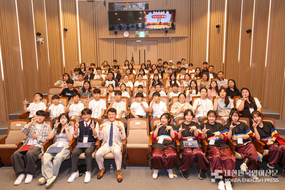
The Lotte Scholarship Foundation (Chairwoman Jang Hye-sun) held the “Shin Geuk-ho Lotte L-Bridge Scholarship Award Ceremony” on Thursday, March 31, at the Kyowon Tour Concert Hall in Jongno-gu, Seoul, and announced that it would award a total of 270 million won in L-Bridge scholarships to 100 scholarship recipients this year. The Shin Geuk-ho Lotte L-Bridge Scholarship is a scholarship program that supports teenagers in low-income families and out-of-school teenagers who are facing challenges in their education and growth. It helps them develop into talented individuals who can practice the value of sharing, explore and discover their talents, and plan and carry out mentoring activities within their local communities that utilize their talents. The 100 Elbridge scholarship recipients selected this year have been conducting various mentoring activities since April, targeting elementary and middle school students at local children's centers. These activities include not only basic subjects such as mathematics and English but also cooking, ukulele, and Nanta, among others, tailored to the recipients' individual talents. The Elbridge Scholarship is awarded to scholarship recipients who participate in mentoring activities for at least three times a month, one hour and 30 minutes per week. Scholarship recipients who meet the mentoring activity criteria receive a monthly living expense scholarship of 300,000 won per person. The scholarship recipients' mentoring activities will continue for a total of nine months until December this year. The award ceremony held on the 31st was attended by approximately 60 people, including Elbridge scholarship recipients and teachers from local children's centers. Jang Hye-seon, chairperson of the Lotte Scholarship Foundation, was unable to attend the award ceremony due to health reasons, but through Lee Chan-seok, secretary-general, she conveyed her message: “This is a project that we have been preparing for a long time, and we consider it very important to visit the site in person, so we really wanted to attend the award ceremony. However, due to poor health, we are unable to meet you all in person today, and we sincerely apologize for any inconvenience this may cause.” Jang emphasized the purpose of the program, saying, “When we interact with scholarship recipients, we have a responsibility to not only provide them with financial support but also to guide them in the direction they should take in life. The Shin Kyung-ho Lotte L-Bridge program is not just about distributing scholarships; it is about working together with you to consider the direction you should take in life.” She continued, “I believe that one of the most important things in life is ‘experience.’ The experiences you will gain through L-Bridge are by no means insignificant, and there is great value in having such experiences at a young age.” She also said, “Even experiences that you may think are small will become valuable experiences that will help you in many ways in your life as time passes. I hope that you will participate with a sense of mission so that the diverse and wonderful qualities that each of you possess will be well conveyed to the children you are teaching.” Following the award ceremony, the Elbridge scholarship recipients performed alongside the students they had mentored. The event featured performances showcasing the skills they had honed over time, including ukulele, nanta, and clarinet. This was followed by an opera performance by Kim Jun-seo, a tenor and recipient of the Artist Independence Support Scholarship, and a song performance by foundation staff members, bringing the Elbridge x Lotte Scholarship Foundation concert to a close. 『 The L-Bridge Scholarship, whose name combines the “L” from ‘Lotte’ and “bridge,” which means “connection,” was launched in 2020 and has provided a total of 1.3 billion won in scholarships to 610 scholarship recipients as of last year. 』 The Lotte Scholarship Foundation stated, “Through this program, teenagers who were once recipients of education have become mentors themselves over the past nine months, strengthening their positive self-perception and naturally developing communication skills, responsibility, and leadership abilities. We will continue to provide growth opportunities through the L-Bridge Scholarship to empower teenagers to become active contributors to creating a virtuous cycle within their communities.” [대한민국영어신문 황유진 기자]
-
 International
Jeju's soul resonates in Rome... Singing of the pain and reconciliation of Jeju 4·3
A message of peace embodying the pain and reconciliation of Jeju 4·3 was solemnly conveyed through a requiem in Rome, Italy. Jeju Special Self-Governing Province announced on the 24th at 7 p.m. (local time) that it had successfully held the Jeju 4·3 Peace Requiem performance at the Basilica of Santa Maria degli Angeli e dei Martiri, located near the Vatican. Held in a historic church adjacent to the Vatican, the performance was made even more symbolic as it took place in the year that the Jeju 4·3 records were registered as UNESCO World Documentary Heritage. In the church designed by Michelangelo, over 300 audience members attended the performance, which transformed Jeju's tragic history into music and conveyed a message of peace and reconciliation to the world. The “Jeju 4·3 Peace Requiem” premiered on the day is a modern requiem composed by Jeju-born composer Moon Hyo-jin. It combines the 2,000-year-old tradition of the Catholic Requiem Mass with the lullaby “Wongija-rang,” which encapsulates the sorrows of Jeju women, and the collective memory of loss associated with the Jeju Sea. Michele Martuciello, president of the Italian association Vox in Arte, served as the overall director, while Bu Jong-bae, a Jeju native and 4·3 survivor, directed the performance as a vocalist at the Osnabrück City Opera House in Germany. Composer Moon Hyo-jin served as music director, and Fabrizio Cassi, conductor of the Naples San Carlo Theater, conducted the performance. The performance featured the “Vox in Arte Ensemble,” comprising 40 members of the Rome Opera House Orchestra, six children's choir members, and 32 members of the Rome Santa Cecilia National Music Academy Choir, along with the “Jeju Youth Chorus,” a 13-member children's choir from Jeju, delivering a highly polished performance. In particular, the Jeju Yuso Chorus' performance of the Jeju lullaby “Wongija Rang” and the Jeju folk songs “Ieodo Sana” and “Seolun Agi” transcended language barriers and resonated deeply with the audience. The performance was attended by Oh Young-hoon, Governor of Jeju Province; Lee Sang-bong, Speaker of the Jeju Provincial Assembly; Kim Jun-gu, Ambassador of the Republic of Korea to Italy; Han Dong-soo, Chairman of the 4·3 Peace Requiem Promotion Committee; Moon Chang-woo, Bishop of the Jeju Diocese of the Catholic Church; Kim Chang-beom, President of the Jeju 4·3 Victims' Association; as well as representatives from the Rome City Hall and the Vatican, and citizens of Rome, confirming the international community's interest in the Jeju 4·3 incident. Composer Moon Hyo-jin stated, “Through the Jeju 4·3 Peace Requiem performance, I hope that the spirits of the 4·3 victims can release the emotional burdens in their hearts and dream of a heavenly life where they can reunite with hope.” Boo Jong-bae, a vocalist, remarked, “The Jeju 4·3 Peace Requiem is a piece that combines the sounds and melodies of Jeju with the universal language of the requiem. I will strive to ensure that the Jeju 4·3 Peace Requiem, which was first performed in Rome, is shared with more countries around the world.” After the performance, over 300 attendees responded with a standing ovation to the Vox in Arte Ensemble and the Jeju Youth Chorus, who had delivered a performance filled with deep resonance and emotion. Alfredo Casciello, a Roman citizen who participated in the performance, shared his impressions, saying, “I felt that the fusion of Catholic culture and Korean culture could be very important, interesting, and universal. The vision of world peace embodied in the Jeju 4·3 incident was also deeply impressive.” Governor Oh Young-hoon emphasized, “The Jeju 4·3 Peace Requiem performance held at the historic Martino Church clearly demonstrated the role of Jeju 4·3 in promoting world peace and was a precious opportunity to convey the values of peace and human rights to citizens around the world.” He continued, “The people of Jeju have faced the truth, healed their wounds through reconciliation, and walked the path of coexistence, and this process has become a global standard for resolving the past. I hope that the echoes of the requiem will become a lasting message of peace, reconciliation, solidarity, and love for Jeju, Rome, and the entire world.” Bishop Moon Chang-woo of the Jeju Diocese of the Catholic Church said, “It is a new experience to hold the Jeju 4·3 Peace Requiem performance in a church commemorating the martyrs. I hope this performance will be an important step toward the globalization of the Jeju 4·3 incident.” Prior to the performance, Governor Oh Young-hoon attended the “Mass for Korea” presided over by Bishop Moon Chang-woo and prayed for the rest of the souls of the victims of the Jeju 4·3 incident. [News Source: Jeju Province]
-
 Politics · Economy
President Lee hosts luncheon for national heroes, veterans' families...“Reciprocate with the highest honor”
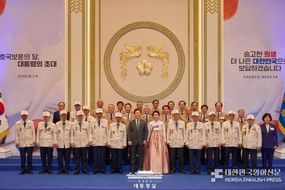
President Lee Jae-myung hosted more than 160 people, including national heroes and veterans' families, for a ceremony titled ‘National Service Month, President's Invitation’ on Sunday. The event was organized to convey respect and gratitude for the sacrifices and dedication of those who have served the country by gathering national meritorious people and veterans' families in the highest honor, the presidential office said. “This is a meaningful occasion where the modern history of challenge and response has come together in the name of patriotism,” President Lee said in his remarks to all, adding that he was deeply grateful to “you and your families who have willingly devoted their youth to the challenges of modern history so that our people can live in comfort.” “I thank you on behalf of the nation,” he said, calling out each of the dignitaries in attendance. “Unfortunately, our modern history has paid too little attention to those who have made sacrifices,” Lee said, adding, “We will take the necessary measures to pay special attention, reward, and honor those who have sacrificed their lives for the betterment, safety, and life of the nation and its people.” The participants of the ceremony entered the Blue House with the utmost ceremonial honors, as the Armed Forces' presidential guard of honor dressed in traditional costumes and a traditional band played. President Lee, accompanied by First Lady Kim Hye-kyung, personally greeted each of the attendees and showed them the utmost respect. The ceremony was attended by officers and members of veterans' organizations composed of national meritors and bereaved families, as well as special invitees. Among the special invitees, female veteran Lee Chun-ja, who fought in the Korean War as a shortstop, was married to veteran Park Chang-hoon, who served as a senior sergeant in the same unit during the war. Actor Shin Hyun-joon was also present as a special invitee as the son of the late Colonel Shin Shin-gyun, a 6-25 veteran. Relatives of those who died in the defense of the West Sea were also invited, as well as soldiers who participated in the war. Seo Young-seok, chairman of the bereaved families of the 2nd Yeonpyeong Naval Battle, Lee Sung-woo, chairman of the bereaved families of the 46th Cheonan, Kim Oh-bok, chairman of the Veterans' Review Board, who is the mother of the late Sergeant Seo Jung-woo, who died in the bombardment of Yeonpyeong Island, and Choi Won-il, head of the 326th National Veterans' Research Institute, who was the captain of the Cheonan at the time of the attack. In addition, Rev. Lee Hae-hak, who led the democratization movement by participating in the April 19 Revolution, Mrs. Yoon Jeong-hee, the sister of the late Colonel Yoon Sang-won, the real-life protagonist of “March for Im,” and Mrs. Kim Gil-jah, the mother of Colonel Moon Jae-hak, the model of the novel "A Boy Comes. Other guests included Air Force Captain Kim Chan-hwi, son of the late Sergeant Kim Hak-jae, who was martyred during the arrest of a robbery and rape suspect; Firefighter Lee Ho-geun, whose grandfather was an independence hero and father was a veteran of the Korean War; and Inspector Lee Eun-jung, who is the third generation of police officers, following her grandfather and father, who were killed in the Korean War. The descendants of the national heroes also appeared at the event, adding to its meaning. Announcer Oh Jung-yeon, who served as the emcee, is the granddaughter of a 6-25 veteran, and Army Major Han Yoon-seo, who read a letter of gratitude to the veterans, is also the granddaughter of a 6-25 veteran. The menu on the day included cold abalone with red crab meat, steamed short ribs with solsong, and tang pyeongchae with the meaning of unity, as well as food prepared with care to wish the attendees good health. The attendees' tables were decorated with ‘light tree’ for a strong heart, ‘clematis crispa’ for love and devotion, ‘matricaria’ for strength in the face of adversity, and ‘pink roses’ for gratitude. In addition, place cards and napkins with each attendee's name and a message of gratitude were placed to show appreciation for their sacrifice and dedication to the country. The luncheon concluded with a thank-you performance by musical actor Choi Jae-rim and vocal soldiers, who performed iconic songs from the history of veterans' affairs, including “Independence Army Song” and "Goodnight, Comrade. [News Source: Policy Briefing]
-
 Education · Society
Korean-American youth group in Los Angeles soaks up Jeonju's culture
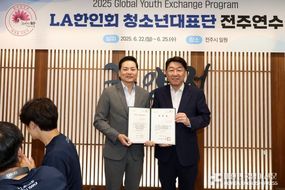
Korean American youth living in the United States are traveling to Jeonju, the most Korean city in Korea, to learn about the culture and sentiments of their homeland. Jeonju City announced on the 23rd that a 17-member Korean American youth delegation, including the Los Angeles Korean American Association, visited Jeonju for four days from the 22nd to the 25th of this month, enjoying the flavors and styles of Jeonju and learning about the traditional culture of their homeland. The visit is based on an agreement on exchange and cooperation signed between the Korean American Association of Los Angeles and Jeonju, a tourism hub city, in January last year, with the aim of enhancing the international outlook of LA youth, who will lead the future era, by visiting Jeonju and experiencing various cultures, and fostering global talents through youth exchanges between the two countries. On the first day of their visit to their hometown, the Korean-American youth visited Jeonju Hanok Village, a national tourist destination that combines tradition and culture, to study and understand the history of the Joseon Dynasty and Jeonju City. On the second day, on the 23rd, they visited Dongheon, a traditional culture training center, to learn and familiarize themselves with Korean manners. They also visited Jeonju's representative library, Hwasim Library, to enjoy and experience the space for youth at ‘Ujuro 1216’. On the same day, the city appointed Robert Ahn, president of the Korean American Association of Los Angeles, as the city's overseas advisor to serve as a bridge between Jeonju, the United States, and Korean Americans abroad. On the 24th, the Korean youth will visit the Korean Traditional Culture High School to learn about traditional culture, including painting Korean paintings, cooking palace food, and performing pansori. In the process, they will have the opportunity to interact with Korean peers to understand Korean sentiments and communicate with Korean students. On the final day of the program, the students will visit the Jeonju World Cup Stadium Drone Stadium to experience drone soccer, which is attracting global attention as it hosts the ‘Jeonju Drone Soccer World Cup 2025,’ and cook and eat bibimbap, Jeonju's representative food, before returning to the United States. “Through the second youth exchange after last year's program, the youth from both countries will be able to develop international perspectives through continuous exchanges and introduce the beauty of Jeonju, the most Korean city, to Korean-American youth,” said Jeonju Mayor Woo Bum-ki. “We will continue to strive to foster global talent so that the youth can broaden their perspectives and move forward into the larger world, and at the same time, make it an opportunity for mutual development based on continuous exchanges with the Korean American Association of Los Angeles.” [News Source: Jeonju, Jeollabuk-do, Korea]


KEY NEWS
-
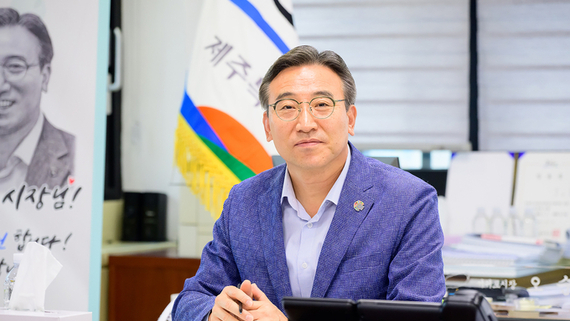
Mayor Oh Soon-moon’s Vision for Seogwipo: "Building a City of Hope through Education, Culture, and Innovation"
Cultural Renaissance: Expanding the Lee Jung-seop Museum by 10-Fold to Create a Global Landmark Hosting the 2026 National Sports Festivals: Mayor Oh Focuses on a 'Digital and Inclusive' Sports Experience Securing the Future of Citrus Farming: Overcoming Tariff-Free Mandarin Imports with Premium Quality and 'Seogwipo-in-Jeong'
“Education and culture are the city's foundational strength and a powerful magnet drawing young people.” Since taking office, Mayor Oh Soon-moon of Seogwipo has consistently championed the vision of ‘Seogwipo City of Hope,’ his eyes brimming with conviction. Amidst the crises of low birth rates, aging populations, and the rapidly changing primary industries, Mayor Oh chose a head-on breakthrough—transforming Seogwipo's very constitution rather than merely maintaining the status quo. From the bold decision to expand the Lee Jung-seop Art Museum tenfold to preparing for the successful hosting of next year's National Sports Festival in Jeju, we met with Mayor Oh Soon-moon, who is redrawing Seogwipo's map, to hear about the future he envisions for Seogwipo and his concrete administrative strategies. [Editor's Note] 1. Upon taking office, you presented the municipal goal of ‘Seogwipo: A City of Hope Opening the Future Through Education and Culture’ and have devoted all efforts to it. What have been the achievements so far? Upon taking office, I presented the municipal vision of ‘Seogwipo: A City of Hope Opening the Future Through Education and Culture’. This is a strategic choice to respond to changes in the population structure and a vulnerable industrial structure. Seogwipo faces the structural challenge of youth population outflow amid low birth rates and aging. Our ultimate goal is to create an urban structure where education, culture, and tourism interconnect—ensuring young people stay, tourists linger, and consumption feeds the local economy. Above all, to create a stable foundation and a nurturing childcare environment for young families, the city operates weekend and holiday childcare support programs at seven locations (two in Jeju City, five in Seogwipo City). It is also expanding specialized programs for elementary, middle, and high school students, along with career lectures and the ‘Dream Project’ for college admission success, all of which are receiving positive responses from parents. Furthermore, building upon the existing Startup Bay, we are newly operating a Startup Town that supports both entrepreneurship and housing, steadily laying the groundwork for young people to put down roots in the region. Alongside this, we have worked to enhance Seogwipo City's appeal by developing it into a cultural tourism city, striving to make it a place people want to visit and stay. Last year, we improved street environments centered on the original downtown area, including Lee Jung-seop Street and Myeongdong-ro, and established permanent nighttime cultural and tourism content like the ‘Geumto Geumto Saeyeon Show’ and the ‘Original Downtown Cultural Festival’. As a result, a structure has been formed where an average of about 2,000 visitors per day are steadily drawn in. 2. What are the city administration goals and projects Seogwipo City is prioritizing most this year? Building on the six major strategies pursued since taking office, we will redouble our efforts this year to create a ‘Seogwipo City of Hope’ where the local economy thrives and citizens' daily lives are filled with vitality, ensuring these changes permeate every corner of the region. First, we will further enhance the permanent downtown programs this year and expand the cultural tourism city project to include townships and villages. - We will operate weekend permanent programs and seasonal events centered around Saeyeon Bridge and the downtown area. Starting with the March Rapeseed Flower International Walking Festival, we will schedule events like the Downtown Cultural Festival, Geumto Geumto Saeyeon Show, Drone Light Show, and Chilseokri Festival seasonally to create stay-and-enjoy content offering fun no matter when visitors come. Furthermore, we will leverage the Lee Jung-seop Street and Myeongdong-ro commercial district revitalization project, which will see 10 billion won invested over five years starting this year, as an opportunity for the downtown commercial district to leap forward again. Beyond existing traditional markets and alley-type shopping districts, we will identify small-scale alley commercial districts that are not large in scale but have high growth potential. We will support them with consumption promotion events and lay the groundwork for their sustained growth. Concurrently, we will diversify tourism products to channel cruise tourists and crew members arriving via Gangjeong Port into the city center. We will enhance hospitality, city guidance, and promotion to translate these visits into consumption and revenue. Furthermore, we will continuously strive to strengthen the competitiveness of primary industries, which form the foundation of our region. We will also do our utmost to ensure citizens feel tangible changes in their daily lives, including the successful implementation of the integrated medical and long-term care system starting in March. 3. The Lee Jung-seop Museum plays a crucial role in revitalizing the Lee Jung-seop Street and Myeongdong-ro commercial districts. How is the museum expansion project progressing? The Lee Jung-seop Museum expansion project is being pursued to resolve structural issues such as the existing museum's limited visitor capacity, insufficient exhibition and storage space, and inadequate amenities. This is not merely an extension but a project to rebuild the museum as a core hub of Seogwipo's cultural policy. After expansion, the total floor area will increase to 5,928㎡, approximately ten times the current size. Exhibition halls will expand more than threefold, and storage facilities will grow over ninefold. This will enable simultaneous operation of special and permanent exhibitions while significantly improving artwork preservation conditions. The total project cost is 36.8 billion won. Approximately 5 billion won has already been invested to complete preliminary procedures, including the demolition of the existing museum and detailed design services. An additional 5 billion won was secured last year, allowing full-scale construction to commence in April. Currently, civil engineering work (excavation and retaining wall construction) is underway. A budget of 15.7 billion won has been secured for this year, and the 2027 project cost of 11.1 billion won will also be reflected in phases. Civil works are scheduled for completion by May of the first half of the year, followed by the completion of the structural framework within the year. Interior and exterior finishing works will then proceed sequentially. Aiming for reopening in August 2027, we will develop it into a complex cultural space combining exhibition, education, and archive functions beyond a simple art museum. It will serve as a representative landmark and a core axis for revitalizing the original downtown area. 4. Following the National Sports Festival for the Disabled in September this year, the National Sports Festival will be held in Jeju in October. What are the preparations and plans for this? This year's National Sports Festival for the Disabled (Sept. 11-16) will be held in Jeju for the first time, and the National Sports Festival (Oct. 16-22) will be held in Jeju for the first time in 12 years. The opening and closing ceremonies will be held at the Jeju World Cup Stadium in Seogwipo, and the Gangchanghak Sports Complex will serve as the main venue. Consequently, a large number of athletes and visitors are expected to visit Seogwipo City. Accordingly, Seogwipo City established a ‘National Sports Festival Preparation Support Task Force’ starting in January 2025. It is closely collaborating with the Jeju Special Self-Governing Province Sports Festival Planning Team to advance preparations. Our city is expanding and renovating 24 venues, including the Seogwipo City Comprehensive Gymnasium, to provide athletes with optimal competition environments. The 3,090-seat Comprehensive Gymnasium will also serve as a venue for the 2027 National Youth Sports Festival and the 2028 National Community Sports Festival following the National Sports Festival. Furthermore, to provide convenience for visitors and athletes coming to Seogwipo City and support a successful hosting, we have organized 14 specialized task forces for each area of preparation and are systematically advancing preparations. The National Sports Festival for the Disabled, being held for the first time in Jeju, precedes the main National Sports Festival to raise social awareness of disabled sports. Accordingly, our city is conducting intensive inspections of: △the status of accommodation facilities, including the presence of disabled-accessible facilities; △the availability of disabled-accessible facilities at major tourist sites; and △the installation of disabled-accessible facilities in public restrooms. Based on the results of these sector-specific surveys, we plan to take seamless measures to supplement disabled-accessible facilities and ensure no inconvenience. Meanwhile, Jeju Special Self-Governing Province is preparing a ‘Digital Games’ unique to Jeju, differentiating itself from other regions. Plans include digital ticket entry, digital medal ceremonies, and robot-assisted Games operations. Digital tickets will be used not only for stadium entry but also for event authentication and regional tourism promotions. In step with this, our city will actively promote the development and promotion of tourism content within our jurisdiction. We plan to host festivals and cultural performances during the Games period, aiming to create a festival-style event rich in attractions. We ask for your keen interest and support for the National Para Games and National Sports Festival being held in Jeju this year. 5. Seogwipo City is a major citrus-producing region. With the duty-free import of American mandarins starting this year, farmers' concerns are growing. What countermeasures are in place? Following the implementation of the Korea-US FTA (Free Trade Agreement), American mandarins became duty-free starting this year. Imports mainly occur from January to May, with over 70% expected to enter the domestic market between March and April. This period overlaps with the peak shipping season for Jeju's own citrus varieties like Hallabong and Cheonhwa-hyang, so it cannot be said there will be no short-term impact. However, I believe the core issue is not simply the increase in imported volume, but rather how stably we manage the domestic citrus supply and demand, and how well we supply high-quality citrus to the market. The expansion of imports of foreign fruits like mandarins is a structural trend. The issue is not limited to mandarins as a single competing fruit. Therefore, rather than focusing solely on price defense, a strategic shift is needed—one centered on quality, branding, and supply management—to solidify the market position of Jeju's late-season citrus varieties. Therefore, I believe it is crucial that we each respond by making the efforts we can from our respective positions. For instance, farmers, as the primary producers, must cultivate high-quality citrus and harvest only fully ripened fruit for shipment. Distributors, including the Agricultural Cooperative and other retailers, need to rigorously sort out non-premium citrus and manage supply and demand. Administratively, it is necessary to promote the support and institutional improvements required for the foundation of high-quality citrus production. Specifically, Seogwipo City will actively promote the excellence of late-season citrus and alleviate farmer concerns through on-site communication. We will also vigorously promote initiatives like the Lunar New Year online campaign and late-season citrus consumption through our online shopping mall, ‘Seogwipo in Jeong’. Furthermore, we will strengthen crackdowns on non-marketable citrus to establish a shipping order centered on fully ripened fruit. 6. Finally, a message for the citizens? In 2026, we will continue to devote our full efforts to stabilizing people's livelihoods and revitalizing local commerce. We will also inject vitality through culture and tourism, and further solidify the competitiveness of primary industries, which form the foundation of our region. Notably, following the National Sports Festival for the Disabled in September, the National Sports Festival will be held in Jeju, centered in Seogwipo, in October. With many athletes and visitors expected to visit Jeju, we must successfully host these events to showcase Seogwipo City's capabilities nationwide and turn this into an opportunity for new leaps and changes. We ask for your active participation and cooperation in demonstrating courteous and mature civic awareness, and in extending warm hospitality to the athletes and visitors. I believe the true measure of administrative success lies in its tangible impact on citizens' daily lives. By responsibly completing the policies we have pursued thus far, we will spare no effort to the very end for the betterment of citizens' lives and the development of Seogwipo City. Thank you. [Korea English Press Reporter Seo Ju-yeon]
-
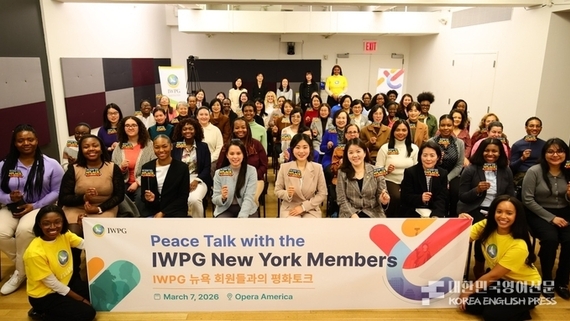
Voices for Peace Resonate in New York: IWPG to Advocate for 'DPCW' International Law at the UN
Global Peace Diplomacy in Action: Side Events with AU & Türkiye and High-Level Meetings Institutionalizing Peace: Promoting 'DPCW' and Presenting a Vision for Women's Peace Education A Milestone for Real Change: Accelerating Peace Policy in Solidarity with Global Women's Organizations
The International Women's Peace Group (IWPG, President Jeon Na-young) will dispatch a delegation to the 70th session of the Commission on the Status of Women (CSW) at the United Nations Headquarters in New York this March, marking the start of its full-scale international activities. March 8th is the UN's officially designated ‘International Women's Day’, a day to honor women's social, economic, and political contributions and promote gender equality. The UN CSW serves as the central forum for global discussions on gender equality and the advancement of women's rights. The 70th CSW will focus on the key theme of “Ensuring women's and girls' access to justice and promoting fair legal systems.” Aligning with this, IWPG plans to emphasize the role of women in overcoming the legal and structural barriers faced by women and girls worldwide and achieving substantive peace. Comprising representatives including Chairperson Jeon Na-young and branch directors from South Korea and overseas, this delegation will conduct active peace diplomacy both inside and outside UN Headquarters during the two-week session. Key events include co-hosting side events with the African Union (AU) and Türkiye, solidarity events with global NGOs, high-level meetings with government officials and UN ambassadors, and gatherings with New York-based members. Specifically, IWPG plans to express the necessity of establishing the ‘Declaration and Program of Peace and Cessation of War (DPCW)’ as international law during this session and propose sustainable peace-building strategies through women's peace education to the international community. Representative Jeon Na-young stated, “This CSW participation will be a milestone in establishing cooperative relationships with women's ministries and international women's organizations worldwide, ensuring that women-led peace leads to tangible policies and legal codification.” She added, “At a time when anxiety from social conflict and war is greater than ever, we will carry out IWPG's peace activities in New York, delivering comfort and peace.” Meanwhile, IWPG is an international women's NGO registered with the Republic of Korea's Ministry of Gender Equality and Family, the UN Economic and Social Council (ECOSOC), and the Department of Global Communications (DGC). It operates in solidarity with 115 branches across 122 countries and over 900 partner organizations in 68 countries, working toward the goal of ‘realizing sustainable world peace’. [Korea English Press]
-
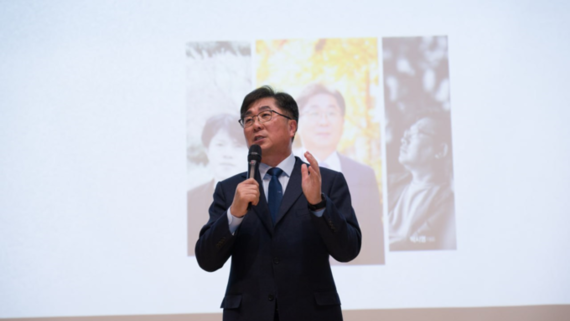
Seong Ki-sun's Book Launch Event ‘Education in Turmoil’...Seeking Hope for Public Education Through Basic, Relationship, Growth (BRG)
- Declaring the restoration of education's essence beyond five crises: politics, ideology, neoliberalism, systems, and the future - Making education truly educational...Urging the time to redesign the educational ecosystem
On the 6th, the publication celebration for Professor Sung Ki-sun's (Catholic University of Korea, former President of the Korea Institute for Curriculum and Evaluation) book ‘Educational Turmoil’ was held at the Gyeonggi University Teleconvention Center. Sung was the 2022 Democratic Progressive Single Candidate for Gyeonggi Superintendent of Education. The event was a great success, attended by approximately 800 key figures from education, politics, academia, civic groups, and the public. Attendees included Gyeonggi Province Governor Kim Dong-yeon, Bucheon Mayor Cho Yong-ik, former Minister of Education Kim Shin-il, former National Assembly members Kang Min-jung and Yoon Mi-hyang, actor Lee Ki-young, former Teachers' Union Federation Chairman Kim Yong-seo, Gyeonggi Provincial Office of Education Integrated Civil Servants' Labor Union Chairman Lee Sang-hyuk, Gyeonggi Provincial Office of Education General Civil Servants' Labor Union Chairman Kang Dong-in, and Korean Confederation of Trade Unions Gyeonggi Regional Headquarters Standing Vice Chairman Baek Seung-jin. Professor Seong diagnosed the current state of Korean education as a crisis entangled by five types of chaos: ▲ideological ▲ideology ▲neoliberalism ▲system ▲future. He then presented a hopeful solution based on the BRG education model, which asserts that children's true growth is achieved when the foundation is solid (Basic) and relationships of trust (Relationship) are restored. In his congratulatory address at the publication celebration, Gyeonggi Province Governor Kim Dong-yeon stated, stated, “Last year, we witnessed democracy crumbling under illegal martial law and civil unrest, and that unrest continues to this day.” He added, “The roots of this educational turmoil likely harbor structural problems that have been inherent for far longer than the unrest caused by illegal martial law,” expressing his hope that “today's event, alongside Professor Sung, becomes the first step in uprooting the causes of this educational turmoil.” Furthermore, former Minister of Education Kim Shin-il, Professor Sung's mentor, recalled, “Even during his school days, Professor Sung showed an exceptional interest in the school environment, including students and teachers.” He assessed, “Building on that passion, his administrative experience as Director of the Yulgok Institute of Education and Director of the Korea Institute for Curriculum and Evaluation seems to have deepened his expertise.” Professor Park Gu-yong (Department of Philosophy, Chonnam National University), who participated in the book talk, remarked, “Both students and teachers seem to have reached an extreme point of difficulty. The next progressive superintendent must absolutely find new alternatives to this.” He added, “I felt Professor Sung's sincerity in appealing not just to offer answers alone, but to find alternatives together with the educational community.” [대한민국영어신문 박혜선 phs@kedupress.com]
-
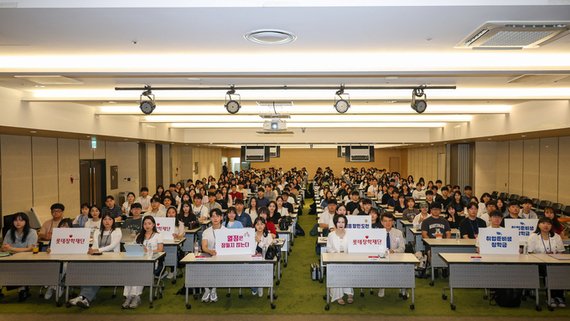
Lotte Scholarship Foundation Provides 300 Job Seekers with 300 Million Won in Scholarships and Employment Training Support
□ Selecting vulnerable job seekers aspiring to enter the media and engineering fields, providing 1 million won in living expenses per person □ Offering employment seminars, mentoring by senior mentors, and field trips, the Lotte Scholarship Foundation is stepping up its support for job seekers nationwide
The Lotte Scholarship Foundation (Chairwoman Jang Hye-seon) held the “Shin Kyuk-ho Lotte Scholarship Award Ceremony for Job Seekers” on Tuesday, May 5, at the Lotte Retail Academy in Yeongdeungpo-gu, Seoul, and presented a total of 300 million won in scholarships to 300 job seekers in the media and engineering fields. This year's scholarship recipients will each receive a living expense scholarship of 1 million won, and will also have the opportunity to participate in various job experience education programs to learn about their desired fields and develop their expertise. The education program for scholarship recipients will be conducted over four days and will include lecture-style education such as “employment special lectures” with experts in the media and engineering fields and “conversations with seniors” where they can hear about actual work experiences, as well as a one-day “field trip” where they can visit a broadcasting studio and the research complex at Lotte Central Research Institute. Launched in 2019 for those aspiring to work in the distribution industry, the “Shin Kyuk-ho Lotte Scholarship for Job Seekers” is now in its seventh year. The program aims to nurture diverse talent by setting different job categories each year based on the preferences of the scholarship recipients. In addition to the media and communications field, which began receiving support last year, the foundation has expanded the scope of its scholarship support to include job seekers in science and engineering fields, selecting scholarship recipients from among students who have completed (or are expected to complete) at least five semesters of a four-year university program nationwide. The regional breakdown of the 300 scholarship recipients selected this year (based on school) is as follows: △Seoul 159 △Gyeonggi 24 △Incheon 27 △Gangwon 2 △Gyeongbuk 12 △Gyeongnam 8 △Daegu 4 △Busan 11 △Ulsan 4 △Chungnam 21 △Chungbuk 10 △Jeonbuk 6 △Jeonnam 11 △Jeju 1. This year, in particular, scholarships were awarded exclusively to socially vulnerable groups in need of economic support, including low-income households, single-parent families, grandparent-headed households, foster families, and multicultural families, with the aim of providing practical assistance to job seekers striving toward their dreams despite challenging circumstances. The award ceremony was attended by Jang Hye-seon, Chairperson of the Lotte Scholarship Foundation, and approximately 300 recipients of the 7th batch of scholarships. In her opening remarks, Jang Hye-seon said, “I have been looking forward to this moment for a long time, but I apologize for not being able to greet you all in the best of health today.” She continued, “This year marks the seventh year that our foundation has been supporting job seekers, and I would like to share with you the motivation I have felt personally while helping them.” Chairman Jang said, “As the chairman of the foundation, every time I conduct interviews with job seekers who have applied to the foundation, I am struck by how versatile and talented they are. However, the fact that such capable job seekers are still unable to secure employment is personally very disappointing to me.” She continued, “While helping you is important, what we truly strive for is to walk alongside you with all our hearts. Even if we don't see each other every day or meet often, we believe that even passing by is a connection. Those of us gathered here today are truly a great and precious connection.” Therefore, she urged, “Please keep the name ‘Lotte Scholarship Foundation’ in your hearts and remember the value of ‘virtuous cycle’ that our foundation pursues. No matter where you go or where you find employment, please do not forget these two things and put them into practice in your lives.” Chairman Jang also said, “Our foundation is constantly thinking of various ways to help job seekers every year, and we are changing our methods and programs every year.” In particular, she said, “This year, we decided to provide new support because we believe that science and engineering fields are very important for national development and economic growth.” She concluded, “All members of our foundation are working diligently for your future, so please provide feedback after the program ends for the benefit of the next cohort.” Meanwhile, this year's “Shin Gak-ho Lotte Job Seeker Scholarship” attracted over 1,000 applicants, resulting in a competition ratio of 3.4:1, reflecting the high level of interest among young people in employment. The Lotte Scholarship Foundation plans to continue its social contribution activities by supporting young people's challenges and growth, and discovering and nurturing talent in various fields.
-
Korean Centers for Disease Control and Prevention: Injured patients account for the largest proportion of hospitalized patients; falls are the main cause
The main causes of injury are falls (51.6%), which occur most frequently in people aged 75 and older (5,215 per 100,000 population, 15.9 times higher than in people aged 0–14).
The Korea Disease Control and Prevention Agency (KDCA) will release the results of the Discharge Injury In-depth Survey, conducted to identify the characteristics of patients hospitalized due to injuries, along with the “2023 Discharge Injury Statistics” and related raw data, starting June 30. The Discharge Injury Deep Survey has been conducted since 2005 to provide evidence for the establishment and evaluation of injury prevention and management policies. It investigates the occurrence and epidemiological characteristics of injuries. The survey results are published annually as the “Discharge Injury Statistics,” and raw data is also provided for use in research and policy development. According to the survey results, the total number of hospitalized patients in South Korea in 2023 was 7,878,504, of which 1,230,202 were hospitalized due to injuries, accounting for 15.6% of the total and ranking first among hospitalized patients. Although this represents a 1.9% decrease compared to 10 years ago, it is still higher than the rates for cancer (11.7%) and digestive system diseases (11.3%), highlighting the need for active interest and systematic management in injury prevention. Among all injury patients, males (50.3%) outnumbered females (49.7%), but females (63.6%) accounted for a higher proportion in the age group of 65 years and older. Falls (51.6%) were the main cause of injury, and the hospitalization rate for falls was approximately 1.5 times higher for women (1,350) than for men (891). The next most common injuries were transportation accidents (19.9%) and collisions (11.1%). Compared to 2013, falls and slips increased (from 748 in 2013 to 1,121 in 2023, 49.9% increase) and transportation accidents decreased (729 in 2013 to 433 in 2023, 40.6% decrease). When examining injuries caused by falls and slips by age group, they were more common among men aged 0–54, but among women aged 55 and older. Notably, the hospitalization rate for injuries caused by falls and slips among the elderly aged 75 and older was approximately 15.9 times higher than that of those aged 0–14. When comparing the same gender and age groups, the hospitalization rate for women aged 75 and older (6,389) was 27.5 times higher than that of women aged 0–14 (232). The hospitalization rate for poisoning-related injuries was higher among women (48) than men (36), with a higher proportion of women across all age groups except those aged 65 and older. Across all age groups, intentional self-harm was the primary purpose of poisoning, with 89.2% of cases in the 15-24 age group. However, in the 55-64 age group, the rates of unintentional poisoning (46.9%) and intentional self-harm poisoning (48.5%) were similar, highlighting the need to consider gender and age-specific characteristics in poisoning injury management. When examining the primary substances used for intentional self-harm, neuropsychotropic drugs such as antiepileptic drugs, sedatives, and sleep aids accounted for the highest proportion of poisoning cases across all age groups (47.1–58.0%). The next most common substances were analgesics and anti-inflammatory drugs (24.1–31.1%) among those aged 0–24, gases and volatile substances (17.1–21.9%) among those aged 25–54, and pesticides and herbicides (27.6–41.1%) among those aged 55 and older. The hospitalization rate for intentional self-harm patients by life stage (per 100,000 population) was highest among the elderly (aged 65 and older) at 62, followed by adolescents (aged 13–18) at 56, young adults (aged 19–64) at 34, and children (aged 0–12) at 1. Compared to 2013, the number of adolescents increased sharply (from 30 in 2013 to 56 in 2023, an 86.7% increase) before decreasing slightly in 2023, while the number of elderly people decreased in 2021 but has been increasing again since then, which is worth noting. When examining gender characteristics, female adolescents (92) were 4.0 times more numerous than male adolescents (23), and among the elderly, females (90) were 2.2 times more numerous than males (41). At this point, measures and social attention considering not only age but also gender-specific characteristics are required. The most common location for injury patients was roads and sidewalks (27.7% for males, 23.1% for females), while females had the highest proportion at residential areas (13.6% for males, 27.1% for females), and males had a relatively higher proportion at industrial and construction sites (6.5% for males, 0.5% for females). The average length of hospital stay for injury patients (13 days) was 6 days longer than that for non-injury patients (7 days), and the length of stay increased with age (0–14 years: 5 days; 75 years and older: 17 days). By injury cause, falls (14 days), fire/flame/heat (14 days), and transportation accidents (12 days) were the most common, while by payment source, workers' compensation insurance (23 days), medical aid (17 days), and national health insurance (12 days) were the most common. According to the 2023 discharge injury statistics, injury types and distributions varied by gender and age, indicating that prevention policies require a refined approach reflecting gender and age-specific characteristics. Ji Young-mi, Director of the Disease Control Agency, stated, "The Disease Control Agency conducts injury survey statistics, including in-depth surveys of injuries upon discharge, based on the ‘Act on the Prevention and Management of Injuries.’ Through these efforts, we have established scientific grounds for injury prevention and management policies and developed various injury prevention rules and guidelines that are easily accessible to the public. Going forward, we will continue to analyze the injury characteristics of the population across their life stages using data accumulated through related surveys and actively work to establish effective prevention and management policies based on these findings. In addition, we hope that the academic community will make extensive use of the raw data to further promote research on injury prevention." Meanwhile, as part of its practical efforts to prevent injuries, the Korea Disease Control and Prevention Agency has developed and distributed educational programs on injury prevention for children's experiential activities and exercise and expert training programs for the prevention of falls among the elderly. In April of this year, it distributed safety guidelines for personal mobility devices and is engaged in various other prevention activities. The ‘2023 Discharge Injury Statistics’ can be viewed on the National Injury Information Portal, and the raw data is provided through the National Injury Information Portal website after application and review in accordance with the ‘Regulations on the Disclosure of Raw Data by the Korea Disease Control and Prevention Agency (KDCA) (KDCA Notice No. 124).’ Users can understand the structure of the data and easily utilize the necessary variables for analysis through the “Guidelines for Using Raw Data from the Discharge Injury In-depth Survey.” [News Source: Korea Disease Control and Prevention Agency]
-
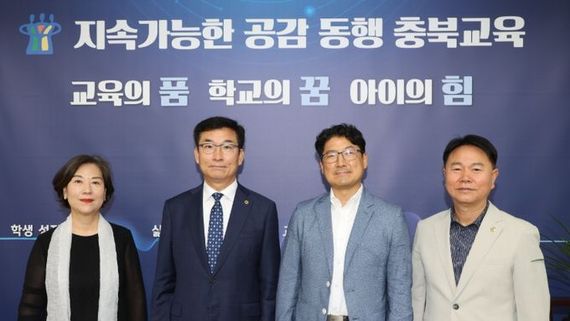
Chungbuk Superintendent Yoon Gun-young explores ways to develop diversity with world-renowned education scholar Prof. Paul Kim
The Chungcheongbuk-do Office of Education announced that on the morning of the 27th, the Chungcheongbuk-do Office of the Superintendent of Education hosted a Future Education Roundtable with Professor Paul Kim, a world-renowned education scholar, Senior Associate Dean at Stanford Graduate School of Education, and an expert in educational technology and digital learning. The meeting was held at the suggestion of the Korean Secondary School Principals' Association, and was organized to share global education innovation trends and to refine the direction of Chungbuk's education policy in response to the challenges of digital transformation and ensuring fair learning opportunities. Choi Eun-sook, President of the Korean Secondary School Principals' Association, and Lee Bum-mo, President of the Chungbuk Secondary School Principals' Association, participated in the event, and questions and in-depth discussions were held on the Chungbuk Provincial Office of Education's ‘Diversity’ platform demonstration and changes in school education in the AI era. After completing elementary and secondary school in Korea and studying computer science in the United States, Professor Paul Kim researched and developed various educational environments using virtual reality while a doctoral student at the University of Southern California, and since 2001, he has served as an associate dean and chief technology officer (CTO) at Stanford Graduate School of Education. In particular, the SMILE education system, an inquiry-based learning solution developed by Professor Kim, was selected as a future innovative education model in a 2016 UN report. “The use of AI and digital devices in education is a major turning point in changing not only the form but also the philosophy of education,” said Prof. Kim. "The balance of personalized learning and emotional empowerment through platforms is key. In the age of AI, platforms need to change from providing answers to helping us find answers." In the discussion that followed, various opinions were exchanged on the importance of the ability to ask questions in the age of AI, the inclusiveness of the Dachaeum platform, and the creation of a digital environment to close the education gap. Based on the insights derived from the meeting, Chungbuk Provincial Office of Education plans to upgrade the Dachaeum platform and enhance the implementation of Chungbuk education policies. “In the age of AI, education should be centered on people, not technology,” said Superintendent Yoon Gun-young. “We will not stop the growth of Chungbuk education, where global vision and field-oriented practice meet.” Meanwhile, the Chungbuk Provincial Office of Education's Hwanghaeum Platform is a digital learning platform that supports students' self-directed learning and reading activities beyond the constraints of time and space, and will be expanded to services for parents from September, and the customized learning support function using artificial intelligence (AI) will also be strengthened. [News source: Chungcheongbuk-do Office of Education]
-
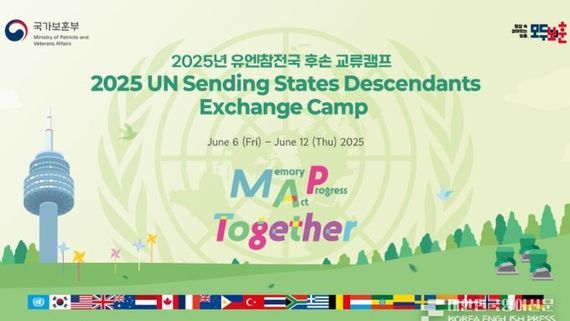
Ministry of Patriots and Veterans Affairs to hold 2025 UN War Veterans' Descendants Exchange Camp
To be held from June 6 to 12... Various events, including visits to war and security sites, academic programs on veterans' affairs, and cultural experiences, will take place in Seoul, Busan, Pyeongtaek, and other locations.
The Ministry of Patriots and Veterans Affairs announced that it will hold a “UN War Veterans' Descendants Exchange Camp” from the 6th to the 12th in Seoul, Busan, Pyeongtaek, and other locations for six nights and seven days to pass on the bonds formed through the Korean War and UN participation to future generations. The UN Participating Nations' Descendants Exchange Camp, which began in 2009 and is now in its 16th year, has expanded its participation this year to include domestic and international university students, with over 50 students from the Ivy League in the United States, descendants of UN veterans, and university students from participating nations and South Korea, totaling 150 participants from 13 countries. The camp will begin with an opening ceremony and will include visits to war memorials and other facilities related to the war, talks with prominent figures, a tour of the Demilitarized Zone (DMZ) for security, and a visit to the Humphreys Military Base. Cultural experiences and academic tasks will also be carried out in groups. On the afternoon of the 6th, the opening ceremony will be held with the participation of Lee Hee-wan, Deputy Minister of Patriots and Veterans Affairs, and camp participants. Following this, renowned domestic chef Choi Hyun-seok will prepare and introduce dishes symbolizing the sacrifice, overcoming, and peace embodied in the Korean War, providing a moment to reflect on the horrors of war and the significance of peace. On the 7th, the participants will visit the War Memorial of Korea to pay tribute to the noble sacrifices of UN veterans, lay flowers and pay respects at the Memorial Wall for the Fallen, and visit the Demilitarized Zone (DMZ) in Paju to tour Dora Observatory and Imjingak. They will then attend the Veterans' Culture Festival “Korea Memorial Music Festa” at Seoul Olympic Park and participate in the UN Uniform Runway fashion show. On the 8th, descendants from various countries participating in cultural experiences in Seoul will visit Camp Humphreys, the U.S. Forces Korea Command, and the 8th U.S. Army Command Headquarters on the 9th, tour the Korea-U.S. Alliance Memorial Tower, and have lunch with soldiers stationed at Camp Humphreys. In the afternoon, they will visit Hanwha Aerospace, Yuhan Corporation, POSCO, and the Korea Veterans Welfare Medical Corporation to share the social and economic value of veterans' affairs through the outstanding veterans' affairs projects and activities of each company and institution under the theme of “The Value of Veterans' Affairs Blooming in the Private Sector.” On the 10th, they will travel to Busan to participate in local craft experiences, followed by an academic forum on the 11th focusing on the globalization of Korean veterans' culture, the development of veterans' medical care, and improvements to veterans' services. They will then visit the UN Peace Memorial Hall to review the history of UN forces' participation in the Korean War and attend a lecture on the theme “UN Veterans and the Republic of Korea.” Following this, the group will conclude all activities with a wreath-laying ceremony and paying respects at the UN Memorial Park, followed by a closing ceremony. Kang Jung-ae, Minister of Patriots and Veterans Affairs, stated, “Through this exchange camp, which will be attended by descendants of Republic of Korea and UN participating countries, we hope that this will be a valuable opportunity to remember and inherit the history of UN participation and the noble sacrifices and dedication of the heroes who participated in the Korean War, and to further develop the bond between the Republic of Korea and UN participating countries into a stronger friendship.” [News Source: Ministry of Patriots and Veterans Affairs]
-
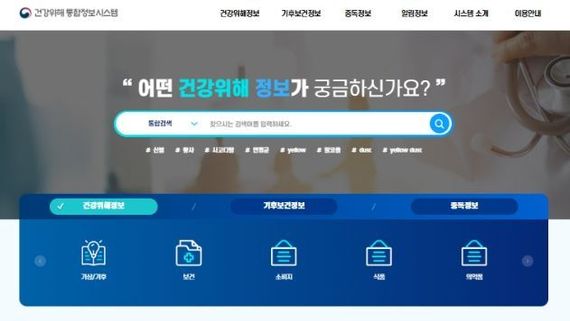
Korea Disease Control and Prevention Agency to view domestic and overseas health hazard information in one place
Health hazard information can be viewed in one place through the integration of 38 systems from 15 domestic ministries and 13 overseas systems, including the WHO and CDC.
The Korea Disease Control and Prevention Agency (KDCA) will launch the Integrated Health Hazard Information System on May 30, which will provide high-quality health hazard information operated by domestic government agencies and international organizations. Recently, with the increase in non-infectious health hazards such as liquid electronic cigarettes and humidifier sterilizers, public interest and demand for information on various types of hazards have been increasing. However, relevant information is scattered across different government ministries, making it difficult for the public to access. In response, the KDCA has established a platform that integrates health hazard information by linking 38 systems from 15 domestic ministries and 13 overseas systems, including the World Health Organization (WHO) and the US Centers for Disease Control and Prevention (CDC). The Health Hazard Integrated Information System provides health hazard information categorized by major systems and topics. To ensure effective information dissemination, it offers visualization features (charts/tables/text) based on Open API and real-time URL linking functionality. In addition, specialized information such as searches by major hazard categories (e.g., climate, poisoning), popular search terms and content, related statistics, and research and educational materials are also provided. The Integrated Health Hazard Information System is accessible on all devices, including PCs, tablets, and mobile devices, and the system will continue to be expanded by identifying additional systems that can be linked. Meanwhile, the Korea Disease Control and Prevention Agency is also preparing legal grounds for surveillance and epidemiological investigations for initial response in cases where a large number of patients occur in groups due to non-infectious health hazards, such as liquid electronic cigarettes and humidifier disinfectants, whose causes are not identified in the early stages of onset. Ji Young-mi, Director of the KDCA, stated, “With the launch of the Integrated Health Hazard Information System, we will ensure that the necessary institutional foundations are established without delay to enable investigations and surveillance not only for infectious diseases but also for unexplained mass outbreaks caused by non-infectious health hazards.” [News Source: KDCA]
-
Why Learning About AI Matters: The Rise of AI Literacy Education

-
A New Grading System for Korea’s College Exam: What Will Change?

-
Discovering Yourself: The Free Semester System in Korea

-
Korea’s High School Credit System: A New Path or a New Challenge?

-
The Bright Future of AI in English and Math Education


NEWS
- CEO Yoo Jeong-geol – The 'Last Puzzle' of Medical School Admission is Literacy: The Victory of Intellect Overcoming Skill
- "Peace Begins in Life"… IWPG Successfully Concludes 'Only Peace Conference' in Busan
- The Ministry of Health and Welfare plans to train an average of 668 doctors annually to work in essential public health services in local areas over the next five years, starting in 2027.
- 17 domestic humanoids gather at DDP, and Seoul City hosts the 'Seoul AI Festival'
- [SBS My Little Old Boy] Moon Chae-won, to Seo Jang-hoon, who has 4 trillion won(?), says, “Hey, just give me 1 trillion won~” cutely... What will Seo Jang-hoon say?
- Jeju RISE: Sharing the Results of "Industry-Academic Cooperation"
- Goseong County's Dinosaur Land Shopping Mall Wins Consumer-Friendly Brand Award at the 2026 Korea Consumer Awards for 9 Consecutive Years
- President Lee Jae-myung: "Price stabilization is urgent... Actively developing and implementing policies to ease the burden on people's livelihoods."
- President Lee Jae-myung awards the Samjeonggeom sword to a newly promoted brigadier general.
- True Heart Education Dialogue - Gwangju Superintendent of Education Lee Jeong-seon: "Returning to the Essence of Education" - 'Basic Education' and the Next Decade of Gwangju Education
-
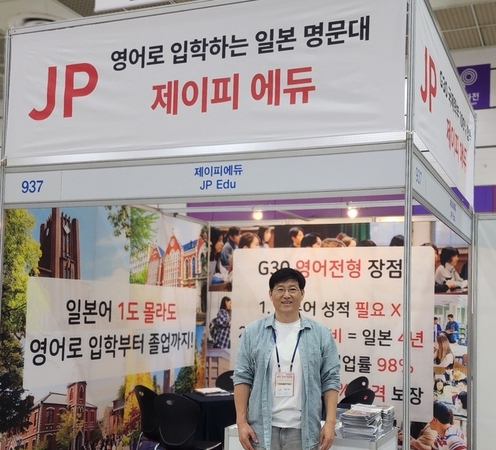
JP EDU - Hidden Opportunities in Japan: English-Taught International Studies Programs Open Doors to Prestigious Universities
Can you enter a top Japanese university without speaking Japanese? Can you enter a top Japanese university without speaking Japanese? Surprisingly, the answer is yes. Much like Korea’s Yonsei University Underwood International College or the Songdo Global Campus, more than 40 Japanese universities now offer full-degree programs conducted entirely in English. These English-taught programs—often called G30 programs—are especially popular in the field of International Studies. Admission is based on a student’s academic record (GPA) and English proficiency, rather than Japanese language ability. Applicants are assessed through English proficiency tests such as TOEFL or IELTS, as well as personal essays. A Growing Interest in Japan’s English AdmissionsAs awareness of Japan’s English admissions has grown, more students are turning to specialized educational institutions for guidance. One such institution is JP Edu, which focuses on preparing students for Japan’s G30 admissions. Traditionally, international applicants to Japanese universities needed to take the EJU (Examination for Japanese University Admission for International Students), a process that can take up to two years of language study and test preparation. In contrast, the English admissions pathway allows qualified students to apply much sooner—sometimes after just three to six months of English-focused preparation. “Several years ago, parents could hardly believe it was possible to enter a Japanese university without knowing any Japanese,” says Director Hyeong-ho Doo of JP Edu. “Now, the system has become well-known, and many families come to us after researching online or visiting education fairs. The interest keeps growing every year.” At a recent Study Abroad Fair at COEX, Doo observed long lines of parents and students waiting for consultations—clear evidence of the rising popularity of Japan’s English-taught International Studies programs. Career Advantages in a Changing Job MarketDirector Doo also points out Japan’s demographic challenge: a declining birthrate that began over 30 years ago has now created labor shortages across industries. “Japan needs skilled workers,” he notes. “Students who complete an English-taught degree in Japan, then learn Japanese and gain global experience, are in a strong position for employment.” Many graduates of these programs spend a year abroad—studying in the U.K., U.S., Australia, or France—before returning to Japan. Some later join major Japanese corporations, and even move on to leading Korean companies as experienced professionals. “The International Studies Department in Japan is a hidden treasure,” Doo adds. “It offers language immersion, international experience, and career pathways that few other systems can match.” Why Expert Consulting MattersWith growing competition for these English-taught programs, early preparation has become essential. Director Doo recommends applying six months to one year in advance to improve success rates. “Some students apply on their own or through other agencies and get rejected,” Doo explains. “Then they come to us for help. The process is not as straightforward as applying to universities in Hong Kong or Singapore—it’s more complex, and each Japanese university has unique requirements.” Domestic Korean students, he adds, often have strong study habits but inconsistent grades, while international school students may have good GPAs but weaker academic fundamentals. JP Edu bridges these gaps through targeted preparation. In fact, JP Edu operates as a full-fledged English proficiency training center, offering courses in TOEFL, IELTS, SAT, ACT, and AP. Its expertise lies in helping students who may not reach top Korean universities discover new opportunities abroad. “For students who want a world-class education without the fierce domestic competition,” Doo says, “Japan’s English admission programs offer a realistic and strategic alternative.” JP EduTel: 02-3463-0101www.jpedu.net [대한민국영어신문]
-
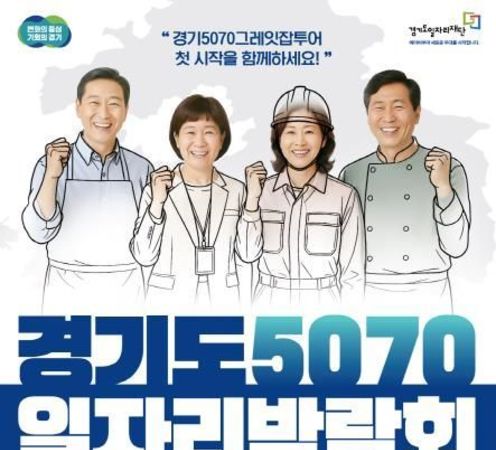
Gyeonggi Province to hold its largest job fair for middle-aged and older workers on the 9th. 1,000 jobs to be filled.
Gyeonggi Province will hold the “2025 Gyeonggi Province 5070 Job Fair” on the 9th at Suwon Messe. Starting with this fair, the province will launch the “Gyeonggi 5070 Great Job Tour (Gray it-job tour)” in the second half of the year, visiting all 31 cities and counties in the province. The “Gyeonggi Province 5070 Job Fair” is a customized employment linkage event targeting middle-aged and older adults aged 50 to 70. This year, it is particularly noteworthy for including enhanced “career transition support functions” compared to last year. It goes beyond simple on-site hiring, offering introductions to related job sectors and customized program guidance for middle-aged individuals seeking career changes. Through counseling and information provision tailored to job seekers' experience and desired roles, the event aims to reduce anxiety about career transitions and expand their options. About 1,000 people are expected to be hired at this fair, with about 100 companies participating, including KB Golden Life Care and CJ Freshway. In particular, KB Golden Life Care will hire about 100 full-time employees on-site to secure manpower for Gwanggyo Village, which is scheduled to open in September. The fair will feature ▲job fairs ▲job fairs/promotion booths ▲job preparation booths ▲job experience booths ▲celebratory performances, and other diverse programs. At the job fairs, representatives from large and medium-sized companies will directly explain job duties and working conditions. Additionally, over 30 related institutions, including the Korea Asset Management Corporation, the Korea Housing Finance Corporation, and the Labor-Management Development Foundation, will participate to provide customized counseling on employment, entrepreneurship, welfare, and finance. Gyeonggi Province plans to actively promote middle-aged-friendly employment policies such as “Baby Boomer Light Jobs” and “Baby Boomer Internships” through this fair. Job seekers aged 50 to 70 can apply in advance through the fair's website or by phone, and can also participate on the day of the event after registering on-site. All procedures, including resume writing, photo shooting, and employment consulting, will be supported on-site. Jeong Doo-seok, Director of the Gyeonggi Province Economic Affairs Bureau, stated, "The second baby boom generation, born between 1964 and 1974, began turning 60 last year. This generation, numbering 9.54 million, is the largest demographic group in our society, making employment stability and re-employment support extremely important at this time. Gyeonggi Province will strive to improve the employment environment for middle-aged and older adults through the 5070 Job Fair.” [News Source: Gyeonggi Provincial Office]
-
Seoul City establishes a foothold for K-Beauty and fashion to enter the European market, promoting Milan as a base
The K-Beauty and Fashion industry has set its sights on expanding into Europe, beyond the US, Asia, and the Middle East, by making its debut in Milan, Italy—the heartland of fashion. The industry is formalizing global collaborations to support emerging designers in their European market entry and directly engaging with Milanese citizens to showcase the charm of K-Beauty and Fashion. After completing his schedule in Vienna, Austria, Seoul Mayor Oh Se-hoon arrived in Milan and visited the headquarters of the Italian National Fashion Chamber (Camera Nazionale della Moda Italiana, CNMI) at 11 a.m. local time on the 4th. There, he expressed his commitment to strengthening the global partnership between the two cities through fashion. Additionally, he discussed plans to expand mutual exchanges and cooperation between Seoul Fashion Week and Milan Fashion Week. CNMI is the organizer of Milan Fashion Week, one of the world's four major fashion weeks, and contributes to enhancing the global status of Italian fashion through sustainability, digitalization, diversity and inclusivity, and the promotion of emerging brands. Seoul City and CNMI, which signed a business agreement in February last year, promised to engage in closer and more continuous exchanges in the fields of fashion and beauty through this meeting. The two organizations signed an agreement with the following main contents: to promote innovation in the fashion industry by establishing a system to utilize the Milan Fashion Week platform for mutual cooperation between Seoul Fashion Week and Milan Fashion Week and for the international promotion of Korean brands; and to enhance exchange and cooperation between relevant organizations and groups in each city related to fashion and beauty, including fashion material supply, product design, and marketing communication. At the event, Mayor Oh proposed that brands participating in Milan Fashion Week join Seoul Fashion Week. This initiative aims to establish a platform for Milan's representative brands to participate directly in Seoul Fashion Week, thereby elevating Seoul Fashion Week to a globally recognized top-five fashion week. At 6 p.m. local time on the same day, Mayor Oh visited the pop-up exhibition hall “K-Vibe from Seoul,” which was decorated with Seoul's beauty and fashion and K-pop, at Milan's representative boutique “10 Corso Como,” and directly introduced the charm of Seoul as a “Fun City” where beauty and style blend together to the citizens of Milan. In addition, he listened to the voices of domestic beauty and fashion brands participating in the event and sought practical ways to expand overseas. The two-day event, held on the 4th and 5th, featured eight promising domestic beauty brands (▴Villa Erbatio ▴Bihop ▴Eden ▴Pikam ▴Nola Hour ▴Round Lab ▴Bentone ▴Van Cleo) and six fashion brands (▴Triple Flute ▴Valoren ▴Duck Dive ▴BS Rabbit ▴Joseph & Stacy ▴Numbering) participated directly to meet Milanese citizens. (K-Beauty & Fashion Product Exhibition) Promising Seoul-based beauty and fashion brands targeting the European market shared popular skincare methods and fashion styling tips directly with attendees. (Experience K-Lifestyle) Products such as rice makgeolli and dalgona latte, which incorporate Korean F&B elements into fragrance, were unveiled, along with an experiential event featuring dalgona from the globally popular “Squid Game.” (Meetings with local influencers) Active local beauty and fashion influencers networked with participating brands and shared the event atmosphere and product reviews through their social media channels, enhancing the global recognition of Seoul brands. Currently, South Korea has risen to the third-largest cosmetics exporter globally (10.2 billion dollars) as of 2024, but Europe remains outside the top 10 major export destinations. This indicates that the European market holds significant potential as a promising market for the K-Beauty industry. The Seoul Metropolitan Government plans to use this Milan event as a starting point for its European market expansion efforts. Meanwhile, the Seoul Metropolitan Government is providing multifaceted support to upgrade the K-beauty and fashion industries from mere consumer goods to cultural content that grows alongside K-culture, including overseas market development, global marketing support, human resource development, and participation in overseas fashion weeks. First, with the goal of becoming a “global beauty industry hub,” Seoul hosts the “Seoul Beauty Week” every year as a global business platform. “Seoul Beauty Week” is an event aimed at strengthening the competitiveness of the K-Beauty industry, which is gaining global attention thanks to the popularity of K-pop content. Last year, the three-day event attracted a total of 50,000 visitors, including citizens, tourists, and beauty industry professionals. Notably, over 200 buyers from 39 countries, including Japan's ARATA, participated in the event, conducting 1,049 one-on-one export consultations with 207 promising small and medium-sized beauty companies, resulting in approximately $39 million (about 53.3 billion won) in order contracts. In addition, the Seoul Beauty Hub, which provides comprehensive support for the entire process of design, distribution, and export for beauty companies, opened in June. This year, it will support 100 companies in entering overseas markets and help with online and offline marketing and training specialized personnel for the beauty industry. It also helps competitive K-fashion brands enter overseas markets. In addition to supporting participation in Milan Fashion Week, the city will connect promising buyers through the Seoul Fashion Week Trade Show held every February and September and provide consulting services to increase orders. It will also support the global expansion of promising small and medium-sized brands participating in the “Hi Seoul Showroom.” In addition, the Seoul Metropolitan Government is currently developing a plan to revive Dongdaemun as a fashion and beauty mecca in South Korea. First, the DDP area will be transformed from a simple visitor space into a stay-and-enjoy consumption space by integrating various contents such as beauty, fashion, and K-culture, and expanding the brand value derived from citizen-participatory festivals to the surrounding commercial areas, thereby developing it into a complex consumption hub where fashion and culture converge. At 7 p.m. local time, the final event of the day, a roundtable discussion with Milan-based Korean companies, took place. At the roundtable, which was attended by the director of the Korea Trade-Investment Promotion Agency (KOTRA) Milan Trade Office and local business leaders, Mayor Oh listened attentively to the participants' opinions and stated, “We will continue to provide steadfast support to help Seoul's brands gain a stronger presence on the global stage.” He emphasized, “Seoul's competitiveness is the nation's competitiveness. With the belief that Seoul's success will enable Korean companies to grow further, we will serve as a strong foundation.” [News Source: Seoul City]
-
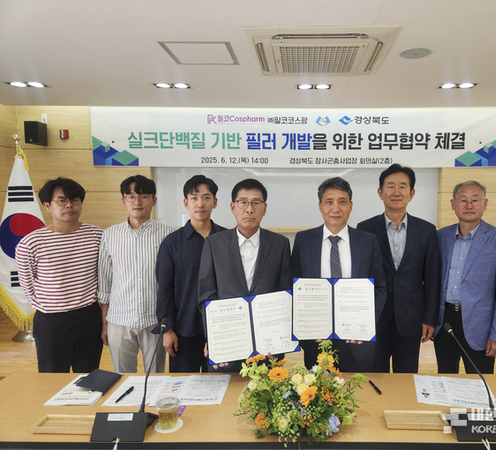
Pilkocospharm Co., Ltd. Signs MOU with Gyeongbuk Silkworm & Insect Business Center for Joint Development of Next-Generation Bio-Fillers
Pilkocospharm Co., Ltd. Signs MOU with Gyeongbuk Silkworm & Insect Business Center for Joint Development of Next-Generation Bio-Fillers Pilkocospharm Co., Ltd. (CEO Jung Hoon-cheol) is partnering with the Gyeongbuk Silk & Insect Business Center to embark on the development of next-generation bio-fillers. On June 12, the two organizations signed a Memorandum of Understanding (MOU) at the Silkworm & Insect Business Center in Sangju, Gyeongbuk, agreeing to collaborate on the development of dermal fillers using insect-derived biological resources, including silkworm cocoons. This agreement aims to strengthen cooperation in a wide range of areas, including research and development of new materials, product commercialization, and advancement into the global eco-friendly beauty market. Introduction to Pilkocospharm Co., Ltd. and Its Core Competencies Pilkocospharm Co., Ltd. is a rapidly growing company in the domestic and international markets, specializing in functional cosmetics and medical aesthetics, with strong R&D-based manufacturing capabilities. The company’s product portfolio and strengths include: Specialized product lines such as skin boosters, injectable ampoules, lifting solutions, and hair-loss treatments Consumer-friendly home care cosmetics including ampoules, mask packs, and repair creams Medical device-integrated products for hospitals and aesthetics Freeze-dried ampoule and powder formulation development with stable, high-functionality active ingredients Recently, Pilkocospharm Co., Ltd. has focused on developing preservative-free, high-purity skin boosters and ampoules using lyophilization (freeze-drying) technology. This allows the biological stability and efficacy of active ingredients to be maximized by activating the formulations just before use - a key technology that offers a competitive edge in the high-end medical and aesthetic markets. Key formulation expertise includes: Ingredients such as PLLA (poly-L-lactic acid), peptides, exosomes, and more A full-service OEM/ODM system Mitochondrial activation & skin homeostasis The company also holds multiple international certifications, proving its competitiveness: ISO 9001 (Quality Management) ISO 14001 (Environmental Management) ISO 13485 (Medical Device Quality Management) ISO 45001 (Occupational Health and Safety Management) ISO 22716 (GMP, Good Manufacturing Practices) Pilkocospharm Co., Ltd. has secured global certifications such as the European CPNP, China’s NMPA, and the U.S. MoCRA and is actively collaborating with buyers from 20 countries. CEO Jung Hoon-cheol stated, “This agreement marks a significant turning point, accelerating the convergence of Pilkocospharm Co., Ltd.'s science-based functionality with eco-friendly natural raw materials.” An official from the Gyeongbuk Silk & Insect Business Center added, “This collaboration is meaningful not only for the industrialization of research but also for revitalizing the local bio-industry ecosystem. We aim to create a new business model by integrating our technology with the bio-filler.” Moving forward, the two organizations plan to establish a sustainable and mutually beneficial partnership through ongoing technology exchanges, joint research, prototype development, and participation in global exhibitions. [대한민국영어신문 나윤재 기자]
-
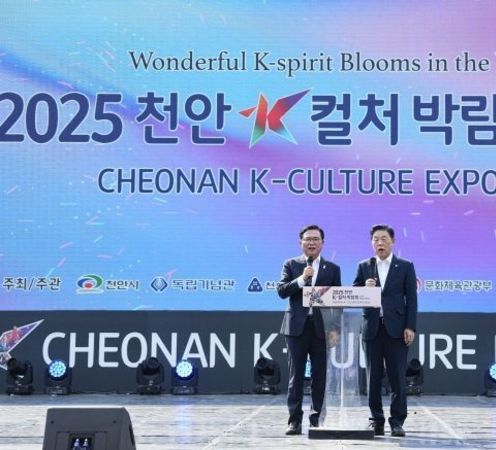
Coloring the world, the Cheonan K-Culture Expo comes to a close... Proving itself as a representative cultural industry expo
The 2025 Cheonan K-Culture Expo, held over five days under the theme “Global K-Culture, Coloring the World,” closed on the 8th after attracting domestic and international tourists. The K-Culture Expo, which opened on the 4th, came to a close with the K-Talk Show “NoBack Tak Jae-hoon,” the Cheonan Foreigners' Festival, the closing ceremony, and the closing reception. Now in its third year, the K-Culture Expo showcased a variety of K-pop culture content blending culture and technology, reaffirming its reputation as Korea's leading comprehensive cultural industry expo. From K-pop performances such as the K-Retro Concert, K-OST Concert, and ‘SBS Power FM Wendy's Young Street’ to themed exhibitions, food, beauty, webtoon, video content, game, and Korean language industry exhibition halls, industrial conferences, and K-Hanbok Fashion Shows, the event showcased the diversity of the cultural industry. To explore the present and future of the K-content industry and enhance the competitiveness of the cultural industry in the AI era, AI, immersive media, extended reality (XR), and interactive technologies were introduced in each exhibition hall to enhance immersion. Programs that visitors could enjoy together, such as K-POP random play dance and street karaoke, were held, and an experience zone with about 50 experience booths was set up, where visitors could participate in traditional games and craft experience programs. 1,000 drones lit up the night sky with K-culture themes, and the Independence Hall of Korea was open at night for the second year in a row, providing nighttime attractions. This festival was a participatory event created jointly by local small business owners, companies, and communities, and was followed by cultural events linked to the K-Culture Expo, such as a Memorial Day tribute concert, a youth artist festival, a K-indie showcase, and a veterans' cultural festival. In particular, despite the large crowds that gathered at the expo site over the five days, the event was held without a single safety incident, demonstrating a high level of visitor culture. At the grassy area in front of the main stage, families, couples, and friends gathered in small groups, spread out blankets, and enjoyed the performances. They sang along to the songs performed by the artists on stage, creating a vibrant cultural scene where visitors and K-Culture came together. Kim Seok-pil, Acting Mayor of Cheonan City, stated, “This K-Culture Expo served as a platform to introduce our culture to the world and foster understanding across generations and borders through K-Culture. We will continue to develop cultural platforms to establish Cheonan as a representative cultural city of Korea and a hub for K-Culture.” [News Source: Chungcheongnam-do Cheonan City]
-
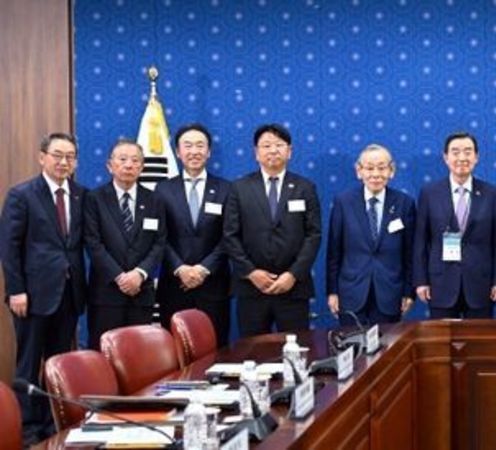
Minister Cho Tae-yeol of Foreign Affairs meets with a delegation from the Japan-Korea Economic Association
On the afternoon of May 26, Minister of Foreign Affairs Cho Tae-yul met with a delegation from the Japan-Korea Economic Association, including Vice Chairman Aso Yutaka, who visited South Korea to attend the 57th Japan-Korea Economic Conference (May 27-28), and exchanged views on economic cooperation between the two countries. Minister Cho expressed gratitude for the Japan-Korea Economic Association's significant role in promoting exchanges and creating cooperation opportunities between companies of both countries, and urged the business communities of both countries to continue playing an active role to sustain the momentum of improved friendly cooperation between Korea and Japan, which has been difficult to achieve recently. In particular, he emphasized the need for the two countries, which are facing similar challenges due to the rapidly changing trade environment, to maintain close communication at the government and business levels, while also expanding cooperation within the framework of the trilateral cooperation between South Korea, the United States, and Japan. In addition, he noted that the Korean Pavilion at the Osaka Expo currently underway in Japan has secured a spot among the top three most popular pavilions alongside the U.S. and Italian pavilions, and expressed hope that the friendly atmosphere between the two countries will be further strengthened based on the interest shown by many Japanese people in the Korea Day event (May 13). He also expressed hope for the active participation of Japanese companies in the APEC meeting to be held in Gyeongju in October. Aso emphasized the growing importance of economic cooperation between South Korea and Japan amid the severe global situation and introduced various activities of the Korea-Japan Economic Association aimed at promoting economic cooperation between the two countries, including the Korea-Japan High School Student Camp and internship programs for Korean university students organized by Japanese companies in South Korea. Aso stressed that human exchange centered on the younger generation plays a very important role in the future of bilateral relations, and called for both countries to work together to address common challenges such as low birth rates, aging populations, and supply chain crises, and to design a shared future. Koji Akio, the incoming chairman of the Japan-Korea Economic Association, who will take office next month, stressed the need for Japan and South Korea to demonstrate leadership in safeguarding the multilateral trade system under the new global economic environment and to jointly promote cooperation with ASEAN and other global southern countries. Mizushima Koichi, Japanese Ambassador to South Korea, highly evaluated the fact that the “Korea-Japan Business Leaders' Conference” has been held without interruption for 57 years since its first meeting in 1969, contributing to the solidification of bilateral relations, despite the ups and downs in bilateral relations. He also stated that economic strength is the source of national power for both Korea and Japan, and that the role of the business community is important. Additionally, Ambassador Mizushima expressed gratitude to Minister Cho for the stable development of bilateral relations under the strong trust between Minister Cho and Japanese Foreign Minister Iwaya, and expressed hope for strengthened cooperation between the foreign ministries of both countries in the future. The Ministry of Foreign Affairs will continue to listen to the voices of the business communities of both countries to expand economic cooperation between South Korea and Japan, make efforts to support businesses, and maintain close communication with the Japanese government. [News Source: Ministry of Foreign Affairs]
-
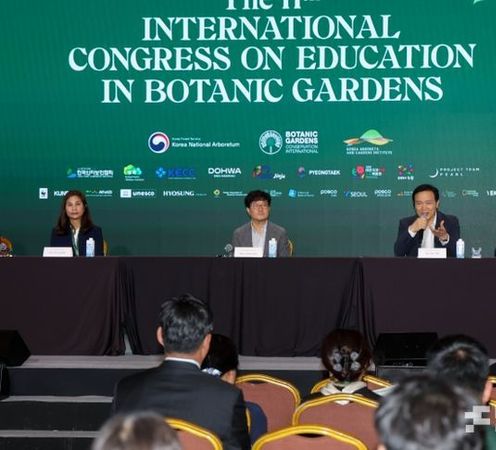
Lim Tae-hee, Superintendent of Gyeonggi Provincial Office of Education, “Ecological environment education linked to world botanical gardens and arboretums to continue at Gyeonggi Shared Schools” Special session hosted by Gyeonggi Provincial Office of Education at the 11th World Botanical Gardens Education Conference
The Gyeonggi-do Office of Education held a special session on the theme of “A New Direction for Education: Cooperation between Local Communities and Public Education” at the 11th International Conference on Education in Botanical Gardens (ICEBG) held at COEX on the 9th. The 11th International Conference on Education in Botanical Gardens and Arboreta is held to share educational ideas from botanical gardens and arboreta around the world and promote the excellence of domestic and international botanical garden and arboretum education. The conference, which runs from the 9th to the 13th, is being held in Korea for the first time in East Asia. During the event, more than 1,500 people from 70 countries are expected to participate. Previously, the Gyeonggi-do Office of Education signed a business agreement with the Forest Service in 2024 to expand the operation of eco-friendly and environmental programs for students. Through the Gyeonggi Shared School operated by the National Arboretum, the office is actively leading the way in eco-friendly and environmental education by teaching students about the relationship between humans and plants and animals, and practicing sustainable forest ecology education in the era of climate crisis. In recognition of these efforts, the Gyeonggi-do Education Office has been invited to participate in the special session of the World Botanic Gardens Education Conference. At the special session, Kim Hye-kyung, Director of the Regional Education Policy Division, presented on “Community Collaboration-Based Biodiversity and Plant Education: Gyeonggi Shared School.” She showcased examples of Gyeonggi Shared School operations related to biodiversity and plant education, as well as the achievements of ecological and environmental program operations, in collaboration with local education support offices and local governments in regions including Yangpyeong, Yangju, Iwol, Siheung, Gwacheon, Anyang, and Goyang. In his presentation at the special session, Superintendent Lim Tae-hee said, “The Gyeonggi Provincial Office of Education is practicing carbon-neutral ecological education to ensure that the earth, the home of all humankind, can be preserved in a sustainable manner through the coexistence of nature and humans.” He added, “We will continue to promote ecological education linked to world botanical gardens and arboretums through Gyeonggi Shared Schools.” He added, “At Gyeonggi Shared Schools, students participate in environmental protection activities in a more fun and practical way with support from various educational programs and materials.” He emphasized, “Gyeonggi education strives to nurture students into citizens who contribute to global environmental conservation through education and practice.” Im concluded, “We look forward to active collaboration with all of you attending the World Botanical Garden Education Conference in connecting ecological and environmental sites with education. I hope this time will serve as a starting point for positive changes in ecological and environmental education at botanical gardens and arboretums around the world.” [News Source: Gyeonggi-do Office of Education]
-
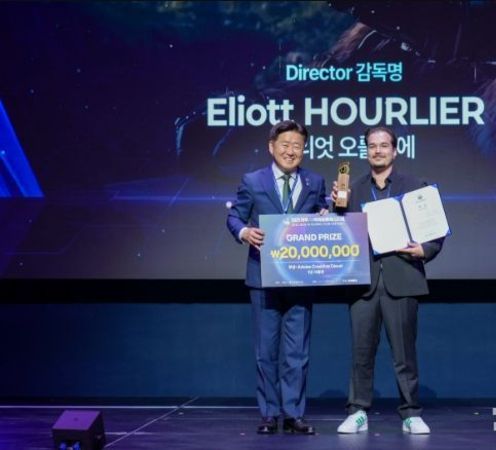
Jeju Island, the age of AI... Seeking coexistence between humans and technology
At the 2025 Jeju AI International Film Festival, domestic and international experts gathered to discuss the possibility of coexistence between artificial intelligence (AI) and art. Jeju Special Self-Governing Province announced on the 9th that the “AI & Art Forum” was held at the Jeju Content Promotion Agency's Be IN+ Performance Hall as the second day of the “2025 Jeju AI International Film Festival.” The Leaders' Dialogue, held in the first part of the forum, explored the direction of technology and art in the AI era under the theme “Technology (術); Art (術). The Art of Coexistence (術).” Lee Joon-ho, policy advisor to Jeju Province, served as the moderator, and Oh Young-hoon, governor of Jeju Province; Kim Dae-sik, professor at KAIST; Yang Yoon-ho, vice chairman of the Korean Film Council; Yang Eun-hee, director of the Jeju Kim Chang-yeol Art Museum; and Lee Tae-ri, vice chairman of the Korean Film Directors Association, participated as panelists. The discussion covered topics such as the development of AI and the crisis facing art, the possibility of coexistence between AI and art, and the direction of the Jeju AI International Film Festival. Governor Oh Young-hoon explained the background behind the Jeju AI International Film Festival, stating, “Rather than following the trend of this period of great transformation, we believe that we must take the lead. We announced Jeju's AI and digital transformation roadmap and believe that film is the best medium to convey this message to the residents of Jeju and the people of Korea.” He added, “We will build a global platform for AI creation in Jeju by establishing a robust power infrastructure and data centers and nurturing talent.” Professor Kim Dae-sik remarked, “AI is an excellent tool that can amplify the capabilities of creators,” and predicted, “In the AI era, the core of competition will be who can utilize AI more effectively.” Vice Chairman Yang Yoon-ho analyzed, “AI has learning effects, but it is difficult to incorporate basic desires, so it is difficult for AI to become the ultimate creator,” and expressed his belief that “ultimately, people who use AI as a useful tool will become good creators.” Yang Eun-hee, Director, remarked, “Looking back at the history of art, AI is not as astonishing as the invention of photography or film.” She evaluated, “Although AI may seem unfamiliar now, it will become a useful tool that provides new resources for creators.” Vice Chairman Lee Tae-ri said, “As AI films are developing rapidly every year, it is time for humans to evolve in step with them,” expressing his hope that “the Jeju AI International Film Festival will play a major role in making South Korea an AI powerhouse.” At the Jeju Global AI Film Competition Awards Ceremony held earlier, awards were presented to the finalists selected from 1,210 entries from 95 countries. The Grand Prize went to French director Elliot Orlie for his film Evolution, while the Best Film Award went to director Ahn Tae-hee for his film Let's Sunnulim, which drew attention for showcasing Jeju's unique community culture. Additionally, global award winners from Iran, Singapore, China, and other countries visited Jeju to participate in the award ceremony. The Grand Prize and Excellence Award recipients received cash prizes, trophies, and a one-year subscription to Adobe's Creative Cloud as additional awards. During the second part of the forum, the Global Fusion Discussion session, themed “AI for Good, AI for JEJU,” featured participants including the UNESCO East Asia Regional Office's Cultural Affairs Officer (Duan Bit Han), the Brazilian Embassy in Korea's Education Affairs Officer (Carlos Gorito), and AI instructors and students from Brazil's AI art class, who explored the future of AI art education. The event also reviewed the outcomes of the “Jeju Culture Global AI Art Class” program, which was jointly organized by Jeju Province and the UNESCO East Asia Regional Office and targeted 11 countries including Brazil, Mongolia, and Colombia, and discussed the positive impact of AI led by Jeju. Following the forum, corporate lectures by Adobe and Google Cloud were held. This was followed by screenings of invited works such as “Wind, Dream” by the Korean National University of Arts (K-Arts) A&T Lab and “I'm PoPo” by director Kim Il-dong, as well as the Grand Prize and Excellence Award-winning works from the Jeju Global AI Film Competition, along with director Q&A sessions (GV). In the event hall lobby, KT's catering robots, SW Future Fulfillment's AI robot soccer, AI Go, Adobe Korea's creative generative AI model “Adobe Firefly” experience booth, Naver Hyperclova X experience booth, and over 100 video and image works created by students from the Jeju Culture Global AI Art Class were on display, attracting much attention. On the third day of the Jeju AI International Film Festival on the 10th, screenings will begin with ‘Wind, Dream,’ followed by nine award-winning films (Grand Prize to Merit Award) and honorable mentions. Additionally, KBS Jeju AI Production Research Society will screen ‘Forgotten Jeju Horse, Hero Reckless,’ followed by a discussion with the directors of the award-winning films. [News Source: Jeju Province]
-
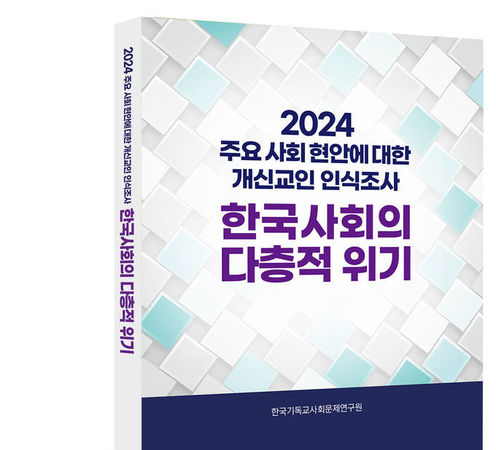
The Crisis in Korean Society as Seen through the Eyes of Protestants, “Protestants' Perceptions of Major Social Issues in 2024,” Released
The Korea Institute for Christian Social Affairs (KICSA) has released a report on Protestant perceptions of major issues in Korean society, “2024 Protestant Perceptions of Major Social Issues: Multilayered Crisis in Korean Society,” has been published. The book compares the differences in perceptions between Protestants and non-Protestants in four areas: politics, religion, climate and ecology, and gender, and analyzes the nature of the multi-layered crisis facing Korean society. Each year, the organization has selected a major social issue and its connection to the Protestant faith to examine the perceptions of Protestants and non-Protestants. In 2024, the study focused on issues shaping contemporary Korean society, including the government of Yoon Seok-yul and the political situation before the impeachment, religious change, the climate crisis, and gender conflict. The research was commissioned by Korea Research and conducted through a web survey of 1,058 Protestants and 1,094 non-Protestants aged 18 and over nationwide. The sample was selected to reflect the October 2024 resident registration demographics, with a sampling error of ±3.0 percentage points at the 95 percent confidence level. This book is a joint research project by four theologians, Dr. Jinsoon Song (Lecturer, Department of Christianity, Ewha Womans University), Dr. Ik-Sang Shin (Professor, Graduate School of Theology, Anglican University), Dr. Kyung-Il Jung (Research Professor, Institute of Theological Studies, Anglican University), and Dr. Hyung-Mook Choi (Director, Third Age Christianity Research Institute). The report analyzed the perceptions of Protestants and non-Protestants in four key areas: political society, religion, climate ecology, and social gender. In the area of political society, the report compared the differences in perceptions between Protestants and non-Protestants, focusing on the evaluation of the Yoon administration, foreign policy, and the advent of the AI society. In particular, it pointed out that the conservatism of Protestants transcends political ideology, emphasizing the need for national sovereignty and social solidarity in the face of impeachment. In the field of religion, we reflected on the role of Protestantism in an era of increasing de-religionization and de-churchization, and analyzed the spread of hatred and discrimination. It explored the reasons for the persistence of social and cultural conservatism in the Protestant faith and provided directions for future religious policies. In the area of climate ecology, we analyzed the emotional reactions of Protestants and non-Protestants to the climate crisis and their attitudes toward government policies. It pointed out the contradictory attitude of recognizing the seriousness of the climate crisis but not taking action, and emphasized the environmental responsibility of Protestants. In the area of socio-gender, the study found that gender inequality and gender conflict are key issues, in addition to job security and housing stability, to address the declining birthrate. He pointed out that the Protestant concept of the normal family is rigid, and sought the direction of social change needed in the era of the population cliff. “We are passing through a very critical historical juncture, and if we do not properly grasp the causes of the crisis and find healthy alternatives, we will fall into an irreversible spiral,” said Dr. Seungmin Shin in the foreword, emphasizing that he hopes the research will serve as a step toward social reform and church renewal. The book includes an overview of the research and its direction, as well as detailed findings in the areas of politics, religion, climate ecology, and gender. It also includes survey questions for both Protestants and non-Protestants, providing a detailed look at the research process. The book is not for sale, and detailed findings and survey questions can be found on the article's website at https://jpic.org. [News Source: Portal News (Gookak Times)]
-
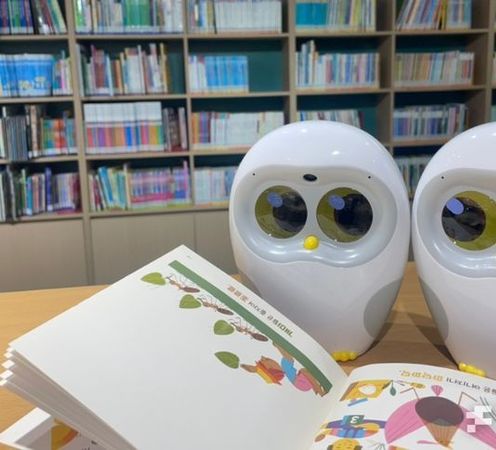
Book-reading robot rental service launched, Yuseong-gu, Daejeon, South Korea
Yuseong-gu, Daejeon, announced on March 27 that it has started a book-reading robot rental service utilizing AI (artificial intelligence) vision technology. The service is aimed at childcare institutions such as daycare centers, kindergartens, and community childcare centers in the district, and one robot and more than 50 exclusive books are rented for a month on a first-come, first-served basis. The reading robot (Luka) is equipped with a function that analyzes images and reads the story on the page while flipping through the book, and can also sing songs and play simple games. It is expected to provide children with a new reading experience where they can read and interact with a robot. Rental applications are available on the Yuseong-gu Integrated Library website until March 10, and inquiries can be made to Agarang Library. “I hope that children can experience the joy of reading books in a new way with a robot that reads to them and expand their imagination to their heart's content,” said Yuseong-gu Mayor Jung Yong-rae. ”We will support children to provide them with a variety of interesting reading experiences.” [News source: Yuseong-gu, Daejeon]

-
 President Lee Jae-myung: "Price stabilization is urgent... Actively developing and implementing policies to ease the burden on people's livelihoods."
-
 Goseong County's Dinosaur Land Shopping Mall Wins Consumer-Friendly Brand Award at the 2026 Korea Consumer Awards for 9 Consecutive Years
-
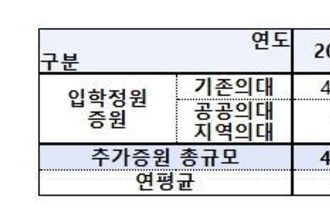 The Ministry of Health and Welfare plans to train an average of 668 doctors annually to work in essential public health services in local areas over the next five years, starting in 2027.
-
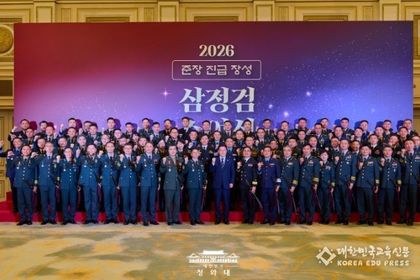 Politics · Economy
President Lee Jae-myung awards the Samjeonggeom sword to a newly promoted brigadier general.
▲ Samjeonggeom Award Ceremony for Brigadier General Promotion (Blue House) [Republic of Korea Education Newspaper] President Lee Jae-myung attended the '26 Brigadier General Promotion Samjeonggeom Award Ceremony held at the Blue House Guest House this afternoon and awarded the Samjeonggeom to a total of 77 Brigadier General Promotions. Attending today's ceremony were Brigadier General Park Jeong-hoon, who investigated the 'Marine Corps Chae's death on duty' and resisted undue external pressure, and Brigadier General Kim Moon-sang, who refused to deploy martial law helicopters. In his remarks, the president urged everyone to faithfully fulfill their original mission of protecting the country and its people with a great sense of responsibility and mission. He also emphasized that the military must be reborn as an "army for the people" that enjoys the people's infinite trust, and that it must take the lead in restoring the military's tarnished reputation by firmly establishing its duty of political neutrality. The president also emphasized that the most certain peace means a state without the need for war, and that we must always be prepared to win overwhelmingly. He urged us to build a Republic of Korea that is unrivaled and open the path to peace through this. He then emphasized that South Korea is a military power ranked 5th in the world in terms of military power, and urged the newly promoted soldiers to develop a sense of self-reliance and the determination to defend their country with their own strength, without relying on anyone else. Lastly, he emphasized that he would actively lead defense reforms, such as the reorganization of a smart, elite force, based on the valuable experience and leadership of the promoted officers, who are assets of the military, while also commanding with a warm heart and cool-headed reasoning to boost the morale of junior officers and soldiers. In the group photo that followed, President Lee and the newly promoted soldiers clenched their fists and shouted "Fighting!" President Lee then shook hands with each of the newly promoted soldiers standing nearby, offering his congratulations. He even said, "Special congratulations," to Brigadier General Park Jeong-hoon. The newly promoted soldiers responded with a collective fist pump and a "Thank you." [News Source: Policy Briefing]
2026-03-11 23:40 관리자 기자 -
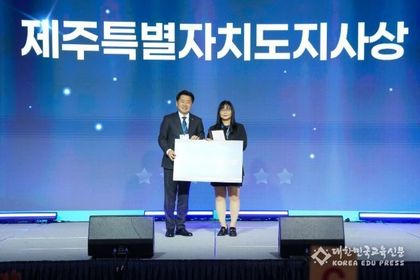 Education · Society
Jeju RISE: Sharing the Results of "Industry-Academic Cooperation"
Jeju Island discussed key achievements and future plans at the 2025 Jeju RISE Project Performance Forum. ▲ 2025 Jeju RISE Achievement Forum Opening Ceremony [Republic of Korea Education Newspaper] Jeju Special Self-Governing Province held the '2025 Jeju RISE Project Achievement Forum' at the Jeju Halla Convention Center on the afternoon of the 26th. This event was designed to share the first year's achievements of the Jeju Regional Innovation Centered University Support System (RISE) project with Jeju residents and to enhance the execution of the cooperative system between the region, universities, and industry. Governor Oh Young-hoon, Central RISE Chairman Kim Heon-young, Local Era Committee 5-pole 3 Special Committee Chairman Lee Byeong-heon, as well as officials from three universities in the province (Jeju National University, Jeju Halla University, and Jeju Tourism College), related organizations, students, and residents of the province attended the event, which was attended by approximately 300 people. At the opening ceremony, university students who participated in the RISE project presented a pre-event performance, and the participating students served as co-hosts with an artificial intelligence (AI) announcer to review the achievements and challenges of the past year from a youth perspective. In particular, Kim Heon-young, the chairman of the Central RISE Committee who contributed to the design of the Jeju-type RISE model, was selected as an honorary citizen of Jeju and received an honorary citizenship certificate. Governor Oh Young-hoon shared the key achievements of Jeju RISE's runcation, AI convergence course, and regional linkage program over the past year, and pledged active support at the provincial level to ensure that the Jeju RISE project becomes a key driving force for regional innovation and future new industries by 2026. Governor Oh emphasized, “The RISE project, which creates a virtuous cycle where talent development leads to improved corporate competitiveness and entrepreneurship, is one of the projects that Jeju Island excels at in Korea,” and “The provincial government will provide more active support so that Jeju RISE can become a project that leads regional innovation and new future industries.” The forum was held in the following order: keynote speech, performance sharing session, and policy discussion session. In his keynote speech, Chairman Lee Byeong-heon emphasized the role of universities as a key driving force in the local era under the theme of “5-pole, 3-special balanced growth strategy and regional talent cultivation plan,” and Chairman Kim Heon-young emphasized the importance of a regional industry-academia cooperation model through regional collaboration under the theme of “Super-wide area RISE and industry-academia cooperation.” At the performance sharing session, excellent cases were introduced, including △Establishment of a customized talent development model through industry-academia cooperation, △K-Food learning trip (Learn-cation) expansion program, △Jeju-Amazon Web Services (AWS) Global Space Bootcamp, △Establishment of Jeju RISE-linked life-integrated adult-friendly open lifelong learning university, △Operation of the new regional Suneul-eum Neulbom School program, and △Jeju-style regional value creation innovation model. The policy discussion was moderated by Professor Kim In-hwan of Seoul National University's Graduate School of Environmental Studies, and seven panelists discussed the major achievements and future plans of the RISE project. Over the past year, Jeju Island has implemented a unique model through the RISE project, concretizing specialized projects linked to local industries. In particular, programs such as runcation, AI convergence education, and regional linkage programs have achieved tangible results. Looking at the main achievements, the 'Runcation Program', which allows people to experience and interact with Jeju's nature and industrial sites, received a great response, with 3,473 people participating in 91 programs from 321 domestic and foreign organizations. A total of 5,124 people participated in the 'Convergence Education Program' encompassing new industries, tourism, and the primary and sixth industries, and achieved tangible results, leading to the creation of 23 new businesses. [News Source: Jeju Island]
2026-03-11 23:47 관리자 기자 -
 IT · Science
17 domestic humanoids gather at DDP, and Seoul City hosts the 'Seoul AI Festival'
Held at DDP from February 28th to March 1st… "Physical AI: Feel It with Your Body" ▲ Seoul AI Festival 2026 Poster [Korea Education Newspaper] Seventeen domestic humanoid robots capable of walking, moving their arms, and understanding human speech will gather at Dongdaemun Design Plaza (DDP). The Seoul Metropolitan Government announced that it will host the "Seoul AI Festival 2026" at DDP Art Hall 1 for two days, from February 28 to March 1. This event, themed “AI spoke to me – Physical AI in everyday life that you can feel with your body,” is a participatory festival designed to allow citizens to directly experience how artificial intelligence is being implemented as “physical AI” technology that goes beyond software and has tangible forms such as robots, devices, and wearables. The "Seoul AI Festival 2026" is hosted by the Seoul Metropolitan Government and organized by the Seoul AI Foundation. It is sponsored and supported by the Korea Robot Industry Advancement Institute and "Geekble," a science and engineering YouTube channel with 1.2 million subscribers. This year, the festival has expanded participation for children and families, taking place over the weekend before the start of the school year. The festival will feature nine zones, three more than last year. ▲ It consists of the 'AI Gallery' that exhibits the winning works of the citizen contest, ▲ 'AI Seoul Inside' that introduces Seoul City's AI policies and achievements, ▲ 'AI Flexpot' where family competitions are held, ▲ 'Humanoid Robot Zone', 'AI Life Showroom', 'Odd Science Zone', 'AI Technology Experience Zone', and 'AI Fun Spot' where you can experience physical AI in everyday life, and ▲ 'AI Odyssey' where lectures and discussions are held by representatives of domestic listed robot companies. A highlight of this year's festival is the newly established "Humanoid Robot Zone." The fully autonomous, agile robot "Uchibot" will be unveiled to the public for the first time in Korea at this event, along with a variety of humanoid and wearable robots, including the AI Worker, NAMY, and the Angelsuit H10. Some robots demonstrate real-world behaviors, such as autonomous walking, object handling, and wearable walking assistance. Visitors don't simply "see" the technology; they can experience its movements up close and interact with the robots. The focus is on "experience" rather than technical explanations, allowing people of all ages to naturally connect with the robots. The AI Technology Experience Zone and AI Life Showroom offer hands-on experience with life-related technologies like AI care robots, voice-recognition smart glasses, AI-based health diagnostic solutions, and autonomous driving service robots. Beyond simple demonstrations, the focus is on real-world usage, demonstrating the practical applicability of physical AI. We also run the "Odd Science Zone," a collaboration with science and engineering influencer Geekble, which boasts 1.2 million subscribers. This interactive exhibit, featuring AI-powered waste sorting machines, AI security robots, and IoT server access points, provides intuitive explanations of scientific principles. On-site docents provide explanations for each piece to help children and young visitors understand the exhibits, and the exhibits are designed to allow them to enjoy science as a game. The stage program is also diverse. On February 28th, Angel Robotics CEO Nammin Cho will give a lecture on "Physical AI," followed by a discussion with representatives from domestic robotics companies and a lecture by Geekble's Sudragon on March 1st. The Seoul AI Golden Bell and contest awards ceremony will also be held over two days. Pre-registration is available on the Seoul AI Festival official website until February 27th, and on-site registration is also available. A competition for families will also be held, continuing from last year. The AI 100-Day Writing and Drawing Contest will be held for families with children aged 7 to 12, using AI tools to write and draw. The AI Robot Family Competition selects winners by having families with children under the age of 10 assemble robot kits and complete mission challenges. Pre-registration will be open until 4:00 PM on February 25th, with 50 teams per round on a first-come, first-served basis. Selection results will be announced at 6:00 PM on the same day. Pre-registration for the event is available on the official website until February 27th, and on-site registration is also available. Kim Man-ki, Chairman of the Seoul AI Foundation, said, “AI technology has reached a stage where it is spreading beyond laboratories and industrial sites into the daily lives of citizens,” and added, “The Seoul AI Festival will become an experiential venue where Seoul citizens can directly see, touch, and experience Physical AI through experiential programs centered around Physical AI.” Kang Ok-hyun, director of the Seoul Metropolitan Government's Digital City Bureau, said, "You will be able to see on-site how robots and AI solve everyday problems," and added, "Through this public festival that combines experience and education, we will lay the foundation for Seoul to leap forward as a leading city in physical AI." [News Source: Seoul Metropolitan Government]
2026-03-11 23:50 관리자 기자


-
Lotte Scholarship Foundation to Provide 270 Million Won in Scholarships to 100 Teenage Mentors
The Lotte Scholarship Foundation (Chairwoman Jang Hye-sun) held the “Shin Geuk-ho Lotte L-Bridge Scholarship Award Ceremony” on Thursday, March 31, at the Kyowon Tour Concert Hall in Jongno-gu, Seoul, and announced that it would award a total of 270 million won in L-Bridge scholarships to 100 scholarship recipients this year. The Shin Geuk-ho Lotte L-Bridge Scholarship is a scholarship program that supports teenagers in low-income families and out-of-school teenagers who are facing challenges in their education and growth. It helps them develop into talented individuals who can practice the va

-
Fair Play Menarini International Award, 29th Award Ceremony marked by waves of emotion
Fiesole, Italy, July 5, 2025 -- It was a night where history and legend intertwined, a time to honor the true values of ethics and fair play. The 29th Fair Play Menarini International Award ceremony took place at the Roman Theatre of Fiesole, a timeless space where culture and sports converge. The world's top sports stars, recognized for their exemplary loyalty, respect, and integrity both on and off the field, gathered together. Fair Play Menarini International Award 2025 This year's winners included Luis Figo, an icon of soccer. Luis Figo won the Ballon d'Or while playing for Real Madrid a

-
Incheon Port Authority kicks off the 6th Incheon International Marine Forum in Songdo, Incheon, to look into the future of the global marine industry
The Incheon Port Authority announced that the 6th Incheon International Ocean Forum (Incheon International Ocean Forum 2025), co-hosted by the Ministry of Oceans and Fisheries and Incheon Metropolitan City, and co-organized by the Incheon Port Authority and Yonhap News Agency, opened on July 3. This event, the largest marine business forum in the Seoul National Capital Area, will take place from July 3 to 4 at the Songdo Convention Center (123 Central Road, Yeonsu-gu, Incheon) under the theme “A Turbulent Global Economy and the Resurgence of the Marine Industry.” The opening ceremony began wit


-
The Fall of Coffee Shops: A Bitter Taste of Overcompetition
In recent years, South Korea has been known for its thriving coffee culture. Cafés fill the streets of every city, from major franchises to small independent shops. With a high demand for coffee and a growing café-loving population, opening a coffee shop once seemed like a smart business decision. However, what was once viewed as a golden opportunity has now become a harsh reality for many owners. Due to overcompetition and market saturation, coffee shops are closing down at an alarming rate — a silent crisis hiding behind the aroma of espresso. South Korea ranks among the top countries in cof

-
Sinkholes: A Silent Threat Beneath Our Feet
When people imagine natural disasters, they often think of earthquakes, floods, or typhoons. However, one of the most surprising and dangerous threats can occur without warning, right beneath our feet. That threat is a sinkhole — a sudden collapse of the ground that can swallow roads, cars, and even buildings. As urban areas grow and underground construction becomes more common, sinkholes are becoming an increasingly serious social issue that requires awareness and prevention. A sinkhole is a hole in the ground caused by the collapse of the surface layer. While some sinkholes form naturally, m

-
The Power of Change: Why Electric Vehicles Are the Future
In a world facing serious environmental challenges, the way we travel is becoming more important than ever. Cars are everywhere, but traditional vehicles that run on gasoline or diesel release large amounts of carbon dioxide (CO₂), one of the biggest causes of climate change. That’s why electric vehicles (EVs) are gaining global attention. These cars are not just a trend — they are a smart, clean, and exciting solution for the future. First, electric vehicles are better for the environment. Unlike regular cars, EVs do not produce harmful gases while driving. According to environmental studies,

-
Korea’s Shrinking Population: A Silent Crisis for the Future
In recent years, South Korea has become known for its rapid economic development, high-tech industries, and strong education system. However, behind this success lies a quiet but serious problem: a rapidly declining population. With fewer babies being born and more people growing old, Korea now faces a national challenge that could affect every part of its society — from schools and workplaces to the economy and the future of its young people. The most alarming sign of this issue is South Korea’s world-low fertility rate. In 2023, the average number of children a woman is expected to have in h



-
Mayor Oh Soon-moon’s Vision for Seogwipo: "Building a City of Hope through Education, Culture, and Innovation"
“Education and culture are the city's foundational strength and a powerful magnet drawing young people.” Since taking office, Mayor Oh Soon-moon of Seogwipo has consistently championed the vision of ‘Seogwipo City of Hope,’ his eyes brimming with conviction. Amidst the crises of low birth rates, aging populations, and the rapidly changing primary industries, Mayor Oh chose a head-on breakthrough—transforming Seogwipo's very constitution rather than merely maintaining the status quo. From the bold decision to expand the Lee Jung-seop Art Museum tenfold to preparing for the successful hosting of

-
Voices for Peace Resonate in New York: IWPG to Advocate for 'DPCW' International Law at the UN
The International Women's Peace Group (IWPG, President Jeon Na-young) will dispatch a delegation to the 70th session of the Commission on the Status of Women (CSW) at the United Nations Headquarters in New York this March, marking the start of its full-scale international activities. March 8th is the UN's officially designated ‘International Women's Day’, a day to honor women's social, economic, and political contributions and promote gender equality. The UN CSW serves as the central forum for global discussions on gender equality and the advancement of women's rights. The 70th CSW will focus

-
Seong Ki-sun's Book Launch Event ‘Education in Turmoil’...Seeking Hope for Public Education Through Basic, Relationship, Growth (BRG)
On the 6th, the publication celebration for Professor Sung Ki-sun's (Catholic University of Korea, former President of the Korea Institute for Curriculum and Evaluation) book ‘Educational Turmoil’ was held at the Gyeonggi University Teleconvention Center. Sung was the 2022 Democratic Progressive Single Candidate for Gyeonggi Superintendent of Education. The event was a great success, attended by approximately 800 key figures from education, politics, academia, civic groups, and the public. Attendees included Gyeonggi Province Governor Kim Dong-yeon, Bucheon Mayor Cho Yong-ik, former Minister o


-

President Lee Jae-myung: "Price stabilization is urgent... Actively developing and implementing policies to ease the burden on people's livelihoods."
Presiding over the 9th State Council Meeting… "Speed up implementation of the maximum oil price system and direct support for consumers,""Actively reviewing additional charter flights and the use of military aircraft to evacuate our citizens,""The removal of some US military weapons from Korea does not hinder deterrence against North Korea… There is no cause for concern." ▲ 9th State Council Meeting (Blue House) [Republic of Korea Education Newspaper] President Lee Jae-myung said on the 10th regarding the economic shock caused by the situation in the Middle East, "We must swiftly review addi
President Lee Jae-myung awards the Samjeonggeom sword to a newly promoted brigadier general.
SNU Pharmaceutical Bio Human Resources Training Center Opens in Siheung, Gyeonggi Province

-

Jeju RISE: Sharing the Results of "Industry-Academic Cooperation"
Jeju Island discussed key achievements and future plans at the 2025 Jeju RISE Project Performance Forum. ▲ 2025 Jeju RISE Achievement Forum Opening Ceremony [Republic of Korea Education Newspaper] Jeju Special Self-Governing Province held the '2025 Jeju RISE Project Achievement Forum' at the Jeju Halla Convention Center on the afternoon of the 26th. This event was designed to share the first year's achievements of the Jeju Regional Innovation Centered University Support System (RISE) project with Jeju residents and to enhance the execution of the cooperative system between the region, universi
Goseong County's Dinosaur Land Shopping Mall Wins Consumer-Friendly Brand Award at the 2026 Korea Consumer Awards for 9 Consecutive Years
Yeonsu-gu signs international friendship city agreement with Cottonwood Heights, Utah, USA

-

[SBS My Little Old Boy] Moon Chae-won, to Seo Jang-hoon, who has 4 trillion won(?), says, “Hey, just give me 1 trillion won~” cutely... What will Seo Jang-hoon say?
Moon Chae-won, the icon of first love, returns to SBS's "My Little Old Boy" after five years! "I thought I was a doll," she says, her real-life beauty amazes the studio. ▲ [SBS My Little Old Boy] [Republic of Korea Education Newspaper] On the March 1st broadcast of SBS' 'My Little Old Boy' (hereafter 'My Little Old Boy'), actress Moon Chae-won, the 'icon of first love', will appear as a special MC and is expected to fill the studio with excitement. When Moon Chae-won recently appeared in the recording studio for SBS's "My Little Old Boy," the "Mom Avengers" were in awe, saying, "I thought a do
Fair Play Menarini International Award, 29th Award Ceremony marked by waves of emotion
The Rose, the first Korean band to perform at Coachella, confirms Seoul concert on August 30 for “Once Upon a WRLD”


-
 Edu Policy
Rethinking the Way We Handle the High School Credit System
Rethinking the Way We Handle the High School Credit System (고교학점제) School should not be a place where every student is forced into the same mold, but a space where different talents and dreams are nurtured. The High School Credit System (고교학점제), scheduled to be fully implemented in Korea by 2025, is a bold step toward personalized learning. Its goal is to give students more choice in what they study — allowing them to take courses that match their interests, abilities, and future goals, much like in a university setting. But as the system moves from theory to practice, important challenges are
2025-07-09 11:08 관리자 기자 -
 School Violence
Rethinking the Way We Handle School Violence
Rethinking the Way We Handle School Violence School should be a place where students feel safe, respected, and able to learn freely. However, in recent years, a growing number of reports have shown that school violence — including bullying, verbal abuse, and even physical aggression — continues to be a serious problem in Korea. More concerning is the fact that the current response system often fails to protect victims effectively or to solve the root causes of the problem. If we want real change, it is time to examine what is going wrong and what must be done differently. ◇ What’s Not Working?
2025-06-11 10:54 관리자 기자 -
 Sexuality Education
Understanding Gender Sensitivity: Why It Matters in Today’s Education
In our rapidly changing world, fairness and respect are values that matter more than ever. As young people grow up in a society filled with diverse identities, it is important that they are taught not just how to study, but how to understand and care about those around them. One of the key lessons that should be part of every student's learning journey is gender sensitivity. In Korean, this is called 성인지 감수성, which means the ability to recognize, understand, and respond respectfully to gender differences and inequalities. Teaching gender sensitivity in schools is not just helpful — it is essen
2025-06-10 20:40 관리자 기자 -
 School Violence
When Respect Fades: Analyzing the Rise in Parent-Led Violence and Teacher Exodus in South Korea
In a country renowned for its fierce academic competition, South Korean teachers now face escalating risks—not solely from the pressures of high-stakes exams, but from a growing wave of verbal abuse, threats, and even violence by parents and students. This troubling trend is triggering a surge in teacher resignations and mental health crises, shaking the foundations of public education. Rising Resignations and Reports of AbuseRecent data paints a stark picture: Nearly 589 teachers with less than five years of experience left the profession between March 2022 and April 2023—a nearly twofold i
2025-06-10 20:17 관리자 기자 -
 School Violence
When Respect Fades: The Alarming Rise of Parent Violence in Korean Schools
Education is often described as the foundation of a nation’s future, and teachers are at the center of that foundation. In South Korea, a country known for its strong emphasis on education and academic achievement, teachers have traditionally held a respected position in society. However, recent incidents involving verbal abuse, threats, and even physical violence by parents toward teachers have raised deep concerns across the country. As cases of parent-led violence increase, many educators and citizens are beginning to ask: what is happening to the relationship between schools, parents, and
2025-06-10 20:14 관리자 기자 -
 Edu Policy
The Controversial Future of AI Digital Textbooks in Korea
As the world becomes increasingly digital, education systems around the globe are seeking ways to modernize. South Korea, known for its strong academic culture and technological leadership, is now stepping into a new phase of innovation through the use of AI Digital Textbooks (AIDT). These textbooks, powered by artificial intelligence, promise to transform classrooms with personalized learning and smart feedback systems. However, despite their potential, AIDTs are also facing serious controversy regarding their fairness, effectiveness, and role in education. AI Digital Textbooks are more than
2025-06-10 19:54 관리자 기자








-
The Ancient Mayan Civilization
Who Were the Maya?The ancient Maya were a powerful civilization that lived in Central America. They built great cities and had an advanced culture. The Maya lived in what is now southern Mexico, Guatemala, Belize, and parts of Honduras and El Salvador. The Maya civilization began more than 3,000 years ago and reached its peak between AD 250 and 900. Mayan Cities and PyramidsThe Maya built amazing cities with large stone pyramids, palaces, and temples. Some famous cities include Tikal, Copán, and Chichén Itzá. In the center of each city was a great plaza for ceremonies. The Maya used huge stone

-
AI: The Technology That Thinks
Artificial Intelligence — or AI — is one of the most exciting and powerful technologies of our time. Once just an idea from science fiction, AI is now part of our daily lives, from smart assistants on our phones to self-driving cars. But what exactly is AI, and how is it changing the world? At its core, AI is about creating machines that can think, learn, and solve problems. Traditional computers follow fixed instructions, but AI systems can adapt. They use data to learn and make decisions. For example, when you stream music or shop online, AI recommends songs or products you might like, based

-
Earthquakes: When the Ground Shakes
What Is an Earthquake?An earthquake happens when the ground suddenly shakes. This shaking is caused by movements inside the Earth. The Earth’s surface is made of large pieces of rock called tectonic plates. These plates are always moving, but very slowly. Sometimes, the plates push against each other and get stuck. Over time, a lot of energy builds up. When the plates finally move, the energy is released as an earthquake. The ground can shake a little or a lot — depending on how much energy is released. How Do We Measure Earthquakes?Scientists use a tool called a seismograph to measure earthqu

-
The Solar System
What Is the Solar System?The Solar System is made up of the Sun and everything that moves around it. The Sun is a giant ball of hot gas that gives us light and heat. Without it, life on Earth would not exist. Eight planets, many moons, asteroids, comets, and space dust all orbit the Sun. These objects are held in place by the Sun’s gravity. The Eight PlanetsThe planets are divided into two groups: Inner planets:Mercury, Venus, Earth, Mars→ They are rocky and smaller. Outer planets:Jupiter, Saturn, Uranus, Neptune→ They are gas giants (except Uranus and Neptune, which are called ice giants) and



-
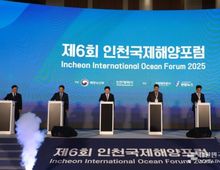
Incheon Port Authority kicks off the 6th Incheon International Marine Forum in Songdo, Incheon, to look into the future of the global marine industry
The Incheon Port Authority announced that the 6th Incheon International Ocean Forum (Incheon International Ocean Forum 2025), co-hosted by the Ministry of Oceans and Fisheries and Incheon Metropolitan City, and co-organized by the Incheon Port Authority and Yonhap News Agency, opened on July 3. This event, the largest marine business forum in the Seoul National Capital Area, will take place from July 3 to 4 at the Songdo Convention Center (123 Central Road, Yeonsu-gu, Incheon) under the theme “A Turbulent Global Economy and the Resurgence of the Marine Industry.” The opening ceremony began wit
Seocho Symphony Orchestra to hold performances in Berlin, Germany, and London, England, commemorating the 80th anniversary of liberation and the 75th anniversary of the Korean War
Gyeonggi Province to hold its largest job fair for middle-aged and older workers on the 9th. 1,000 jobs to be filled.
-

KBO and Disney Korea launch “KBO I Mickey and Friends Collection”
The KBO is collaborating with Walt Disney Company Korea (hereinafter referred to as Disney Korea) to launch the “KBO I Mickey and Friends Collection.” Disney Korea is bringing back last year's highly popular “Mickey and Friends: Seoul Tour” campaign with a new twist, featuring Mickey and Friends enjoying trendy culture. This collaboration with the KBO is an extension of that campaign. This time, Mickey Mouse's artwork has been creatively combined with the unique identities of the 10 KBO League teams, adding a fresh and distinctive charm. The collection features Mickey Mouse playing baseball, w
THE WORLD'S 50 BEST RESTAURANTS, 2025
Ministry of Culture, Sports and Tourism to offer up to 30,000 won discount on 'Accommodation Sale Festa' this spring
-

17 domestic humanoids gather at DDP, and Seoul City hosts the 'Seoul AI Festival'
Held at DDP from February 28th to March 1st… "Physical AI: Feel It with Your Body" ▲ Seoul AI Festival 2026 Poster [Korea Education Newspaper] Seventeen domestic humanoid robots capable of walking, moving their arms, and understanding human speech will gather at Dongdaemun Design Plaza (DDP). The Seoul Metropolitan Government announced that it will host the "Seoul AI Festival 2026" at DDP Art Hall 1 for two days, from February 28 to March 1. This event, themed “AI spoke to me – Physical AI in everyday life that you can feel with your body,” is a participatory festival designed to allow citizen
Vantage Foundation partners with KDM Foundation to support street children in Jakarta
A Decade of Dreams and Glory: The 10th CWIEME Shanghai Closes Successfully and Ignites a New Beginning for 2026
-

Ministry of Culture, Sports and Tourism warns of text messages impersonating consumer coupons for livelihood recovery
■ Beware of text messages claiming to be from the government regarding consumer coupons for economic recovery. The government and financial institutions do not send text messages containing links related to consumer coupons for economic recovery. [News source: Ministry of Culture, Sports and Tourism]
Sharp Rise in Illness Reports Among Young Children — Prevention Is Key!
Financial Services Commission to revise insurance sales commissions



주소 : 서울특별시 강남구 테헤란로83길 18 4층 // 경기도 구리시 건원대로 36 화성골드프라자 902-1-9
등록번호: 경기,아54214 | 등록일 : 2024-10-08 | 발행일자 : 2024-10-08 | 발행인 : 조정인 | 편집인 : 조정인 | 전화번호 : 070-4079-2579 | 이메일 : eduladder@naver.com
Copyright @대한민국영어신문 All rights reserved.

UPDATE: 2026년 03월 29일 08시 55분